The Block Empire: Analyzing Tetris’ Eternal Re-Release Cycle and Key Iterations
Analysis of how one puzzle game has surpassed competitors like Skyrim and Mario in longevity, and the specific improvements defining its most notable versions.

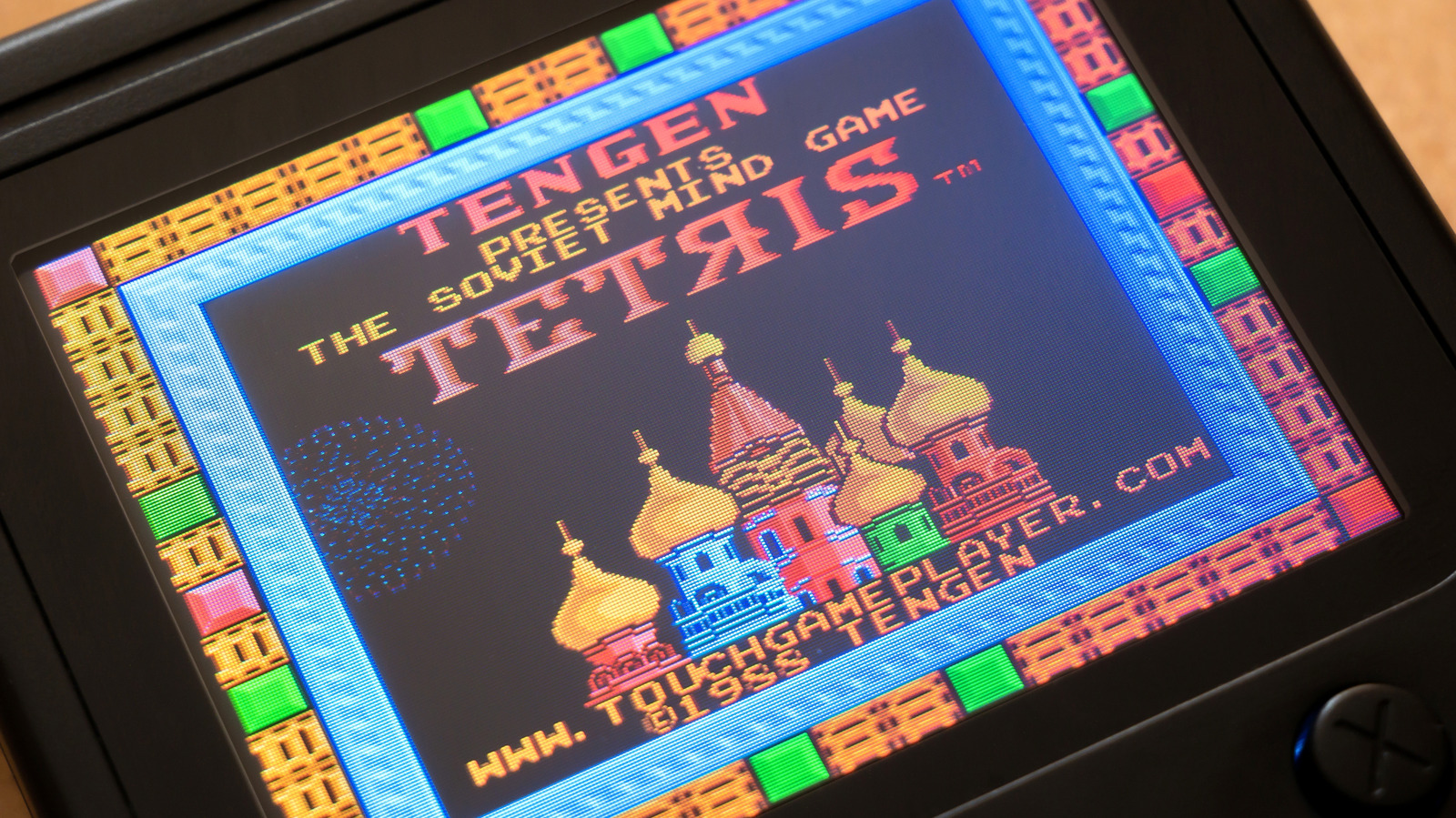
Video game records are broken annually, yet the title holding the distinction for most re-released games remains steadfast. Tetris eclipses even the original Super Mario Bros. and Skyrim in terms of platform ubiquity. With over 200 official releases and countless unofficial ports, the Soviet-era puzzler has appeared on virtually any device with computing power.
The genesis of this phenomenon traces back to 1984-1985, when developer Alexey Pajitnov created the title for the Soviet Elektronika 60 computer. Due to the hardware's lack of graphical output, the game utilized text characters for block manipulation. Following the game's spread to regional computers like the IBM PC, Commodore 64, Amiga, and Mac, the process of porting and distribution accelerated. The 1989 Game Boy release is widely considered the most critical iteration. After navigating complex licensing negotiations and legal disputes, Nintendo secured the rights to bundle the game with the handheld in all markets except Japan. It features the 'Theme A' music and boasts over 35 million sold copies across non-mobile markets.
In 1996, Pajitnov and business partner Henk Rogers established The Tetris Company to manage licensing and logo usage. Current official releases are governed by the 'Tetris Guideline,' a set of internal rules dictating gameplay, visuals, and controls to maintain consistency.
To understand which versions offer meaningful upgrades for new players involves examining specific franchise landmarks. The NES release, often cited for its longevity in competition, lacks modern quality-of-life features such as piece holding and speed-based grace periods. In contrast, the Game Boy Color iteration introduced Sprint mode, awarding players for clearing lines in a set quantity rather than endlessly. The Nintendo 64 New Tetris marked a shift toward multiplayer dynamics, allowing four simultaneous players and introducing the piece-hold feature. The 2006 Nintendo DS release expanded on this with themed modes referencing company properties and introduced online connectivity.
Later iterations have focused on hybrid mechanics and immersion. The 2018 release, Tetris Effect, distinguishes itself through visual and auditory presentation, presenting a 'journey' through digital landscapes regardless of the play platform. It expands on the guideline rule allowing more than four lines to be cleared simultaneously. The battle royale adaptation, Tetris 99 (2019), translated the competitive survival model to the puzzle genre. Most recently, Tetris Forever (2024) serves as a retrospective, acting as an interactive museum for the series' history.
Sources and further reading
See an error? Read our corrections policy or email [email protected].