Return to Candlekeep: Dissecting the Legacy of *Baldur's Gate 1*
A technical retrospective of BioWare's 1998 debut reveals how early structural limitations fostered a creativity that the studio eventually seemed unable to sustain.

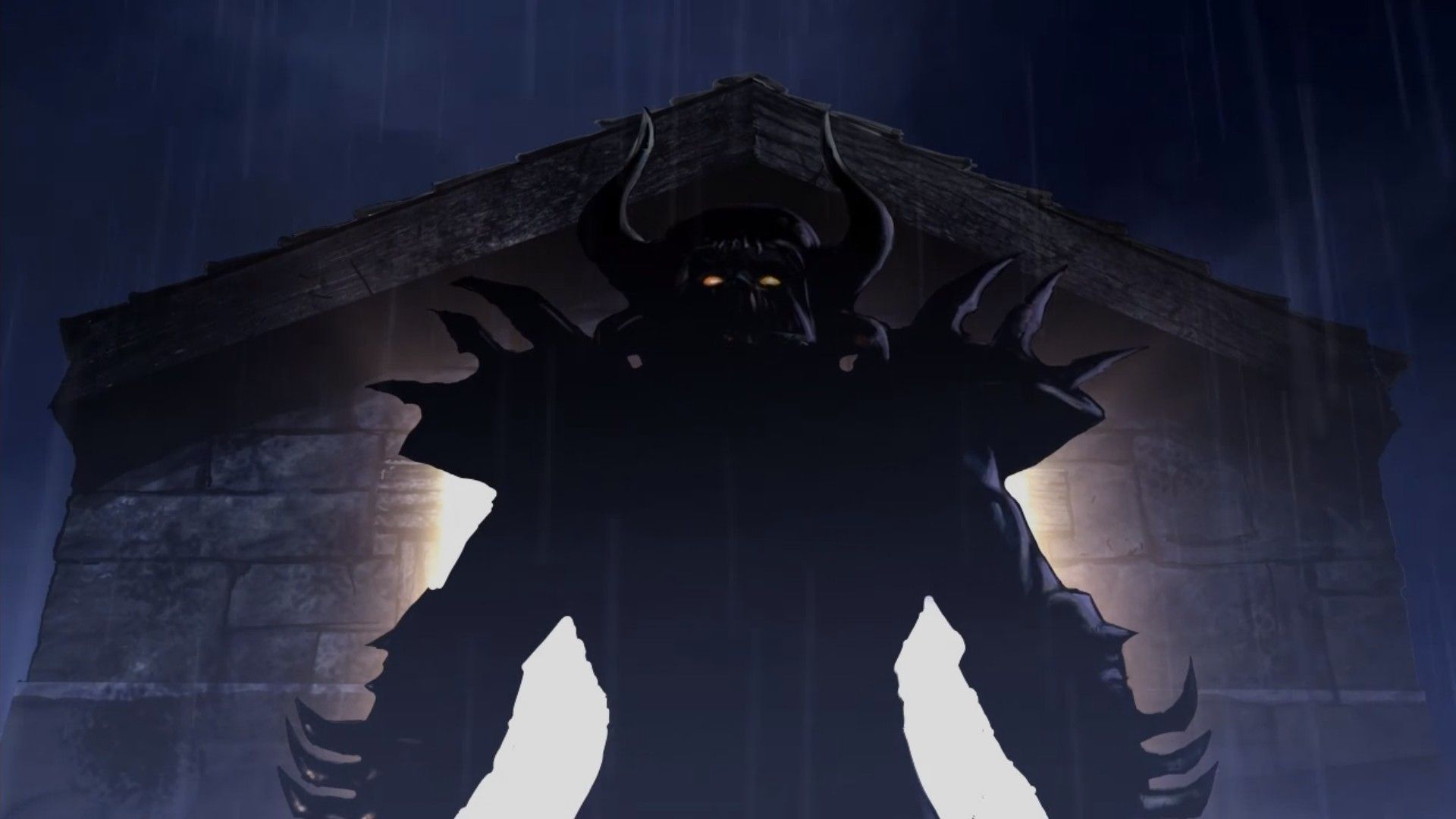
The recent closure of BioWare necessitates a review of the studio's 1998 debut, Baldur's Gate, which predates the commercial establishment of the Mass Effect and Dragon Age formula. This title represents the foundational technical architecture of the Western RPG genre, established through a series of deliberate, if dated, design choices. The primary technical friction for players adjusting to the 1998 release is the Dungeon & Dragons ruleset, specifically the unintuitive THAC0 mechanics. Visually, the tile-based sprite work and lack of voiceover contribute to a perception of aging. However, the source text argues that the absence of voice acting was a functional asset that preserved writer freedom. By forcing the player to imagine dialogue through text, the game achieves a superior level of immersion as a tabletop adaptation compared to modern RPGs where narrative limitations are often imposed by voice acting budgets. Combat is governed by Real-Time with Pause (RTWP) mechanics. The gameplay is described as a tactical puzzle requiring micromanagement of resources. Strategic success hinges on preparing for specific scripted encounters rather than reacting to dynamic events. The text highlights specific mechanics, such as using Protection from Petrification spells, as critical to survival mechanics that were arguably more punishing in the early years of the genre. Character development in the original differs from the standard BioWare template. While companions like Jaheira and Minsc are present, the source text notes they lack the "chatty" dialogue depth and comprehensive character arcs found in later iterations. Notably, significant narrative expansion for these characters was the domain of mods and the sequel, Baldur's Gate 2. The editorial utilizes the closure of BioWare to bolster a defense of the original game's design philosophy. The piece highlights the studio's modding history, specifically community projects like the BG1 NPC Project and Romantic Encounters. These community works are cited as evidence of a creative earnestness that has been lost in modern development. The source concludes that the open-world structure of Baldur's Gate 1 represented a "sandbox" model that celebrated player creativity, a ethos that appears to have been eroded by later commercial pressures.
Sources and further reading
See an error? Read our corrections policy or email [email protected].