Most American smartphone buyers choose devices from Apple, Samsung, or Google. Those brands earn praise for performance, but Digital Trends reports that they all lag on repairability. A cracked screen can cost more than $300 to fix, a battery replacement typically starts around $100, and even paying for service does not let owners perform the repair themselves. That gap has created an opening for devices that prioritize longevity and user-serviceable parts.
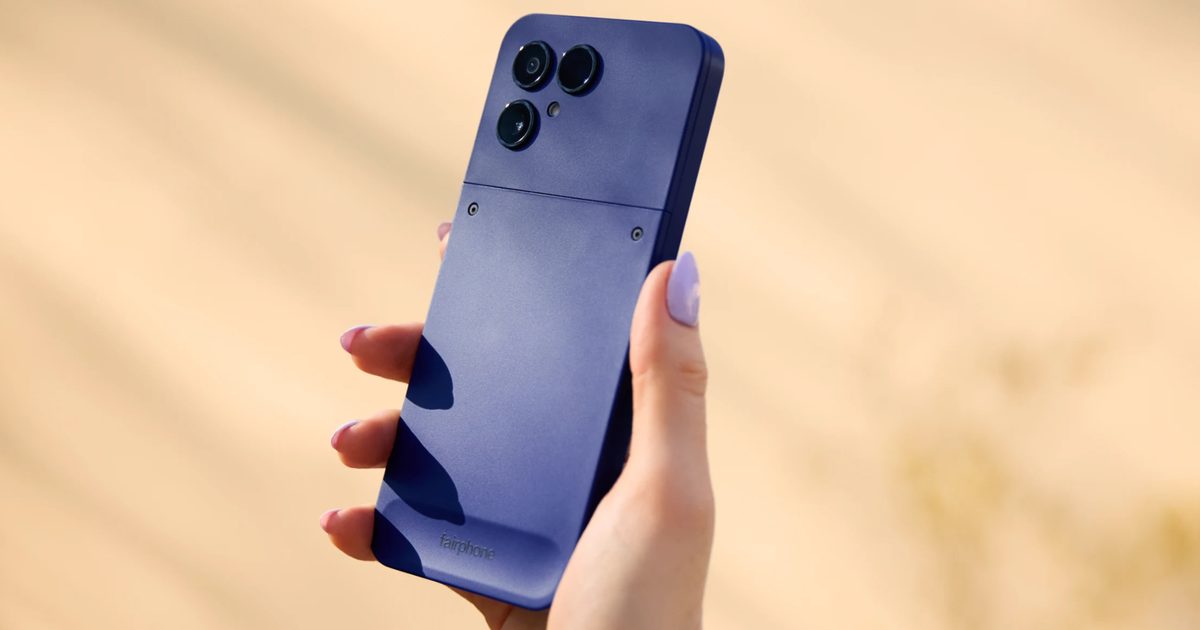
Fairphone is responding with its first US product, the Gen 6+. The phone costs $650 on Fairphone.com and works on T-Mobile and AT&T networks. The report does not give a specific retail date beyond the online sale, but Digital Trends says Fairphone is actively talking with carriers and MVNOs to reach more stores.
The Gen 6+ is designed around 12 modular parts that users can replace at home. According to the report, a new display is priced at $90, a USB-C port at $20, and a battery at $40. The handset also earns a perfect 10/10 repairability score from iFixit, comes with a five-year warranty, and includes software support promised through 2033.
On the hardware side, Digital Trends describes the Gen 6+ as a modest update over the previous Gen 6. It moves to a Snapdragon 7s Gen 4 chip and doubles RAM to 12GB. The article notes that the US market has been difficult for outside phone makers, citing OnePlus's recent exit and earlier departures by HMD and Sony.
Fairphone CEO Raymond van Eck, speaking to Wired, argued that the US market is dominated by two players with little real consumer choice. He said Americans are tired of planned obsolescence, closed ecosystems, and expensive yearly upgrades. Nathan Proctor, who leads US PIRG's Right to Repair campaign, told Digital Trends that the launch could pressure larger brands. He said the device shows that companies can make easily fixable modular products if they choose to.
The piece ends by suggesting that people tired of carefully protecting a phone until the next upgrade cycle may want to consider the Gen 6+. Overall, the report presents Fairphone's US entry as a concrete alternative with clear repairability benefits, but it also acknowledges the challenges facing non-mainstream brands in a market historically resistant to outside entrants. Digital Trends is the original reporting source for this article, with the CEO's comments coming via Wired.
See an error? Read our corrections policy or email [email protected].