Engadget has published its review of Google's Pixel 11, which carries a starting price of $899—$100 more than last year's Pixel 10. The publication describes the phone as an iterative upgrade that won't tempt owners of recent flagships, but remains one of the best Android options for people coming from older devices or switching from an iPhone.
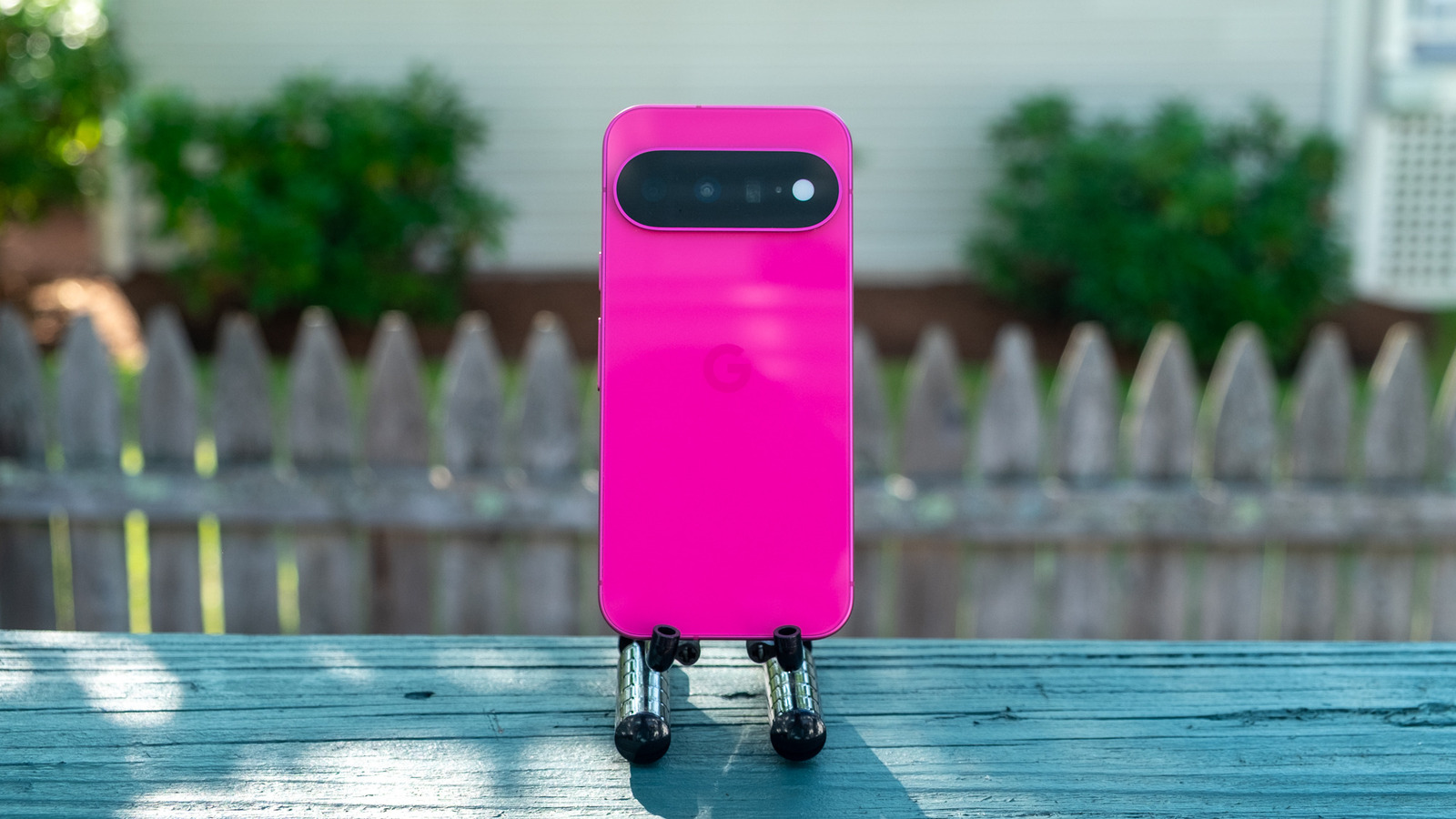
Design and display The Pixel 11 keeps the 6.3-inch "Actua" OLED display from the Pixel 10, with a 60–120Hz variable refresh rate and peak brightness up to 3,000 nits. The Pro model has a brighter, more pixel-dense screen that can drop to 1Hz, but Engadget says the standard Pixel 11's panel looks great for its price. The rear camera bar protrudes less than before, making the phone feel slightly more compact. It is offered in obsidian, frost, pistachio green, and a bold hibiscus shade that the reviewer hopes Apple will emulate.
Camera hardware and features The triple rear camera setup is largely carried over from the Pixel 10: a 13-megapixel ultra-wide (f/2.2), a 10.8-megapixel 5x telephoto (f/3.1), and a 48-megapixel main camera that now uses a significantly larger sensor. The front camera remains 10.5 megapixels. A notable change is "Super Zoom" increasing from 20x to 30x. Engadget says Google uses HDR+ processing across multiple frames rather than generative AI for this mode. Test photos looked acceptable on phone screens but lost detail on larger displays, and were roughly comparable to the iPhone 17 Pro at 30x.
The review highlights two new software tools: Camera Looks, which works like iPhone Photographic Styles and allows editable filter presets for contrast, highlights, shadows, and color temperature; and Magic Capture, which records a short video and multiple stills when the shutter is tapped twice, then automatically extracts images and a clip. Engadget writer Sam Rutherford tested Magic Capture on the Pixel 11 Pro Fold and found it useful for sports and dancing, though video processing time was longer than desired.
AI-driven features Rambler is a voice-to-text tool that understands natural corrections. For example, saying "tortellini, sorry not tortellini, I mean tortillas" produces clean text with only the corrected word. The reviewer found it reliable in limited testing but noted that transcription appears only after the user stops speaking.
Proactive Intelligence, an expansion of last year's Magic Cue, offers Gemini-powered suggestions inside Google Messages. When a friend proposed dinner on certain days, the phone surfaced calendar availability and a button to create an invite. Asking about tacos in Somerville generated options to check the schedule or find restaurants via Gemini without leaving the conversation. Engadget says this is more full-featured than Apple's current Siri AI implementation.
Performance and battery The Pixel 11 runs on Google's Tensor G6 chip, which includes an upgraded image signal processor and a tensor processing unit that Google says is 50 percent faster than the G5. It pairs with 12GB of RAM and either 256GB or 512GB of storage—the base storage has doubled alongside the price increase. Engadget found performance fast and smooth. Battery life was not formally tested before publication, but the reviewer's anecdotal experience included nearly two days between charges with typical use including messaging, music streaming, social media, photos, and navigation.
Verdict Engadget concludes that the Pixel 11 is not a compelling upgrade for Pixel 10 owners, but it is a strong choice for anyone with a Pixel 9 or older, or for iPhone users wanting to switch. The retention of the 5x telephoto lens is called a real differentiator, as the base iPhone 17 lacks a telephoto and the Galaxy S26 only offers 3x optical zoom. The review ends by praising the hibiscus color and hoping Apple takes notice.
See an error? Read our corrections policy or email [email protected].