Grid Capacity Strain as AI Infrastructure Demands Quadruple
International Energy Agency data indicates global data center power requirements will double before 2030, necessitating network overhauls equivalent to another Great Britain's capacity.

The rapid deployment of artificial intelligence computing is driving a fundamental shift in global electricity infrastructure planning. According to the International Energy Agency's World Energy Outlook 2026, electricity consumption by data centers worldwide is projected to double prior to 2030 as investment in AI infrastructure accelerates.
Presently, total data center capacity is estimated at roughly 120GW. Another 120GW is expected to come online within the next few years, with artificial intelligence facilities accounting for approximately three-quarters of this expansion. The agency estimates that 93 major AI computing facilities are currently being constructed or expanded. Over the past two years, the combined electricity capacity of these projects has surged from less than 2GW to around 17GW.
When these facilities are fully operational, their cumulative output could reach approximately 50GW, a level of electricity demand comparable to that of Great Britain. This expansion is accompanied by a forecast of $32 trillion in cumulative investment, a figure said to exceed the spending associated with previous major technological cycles.
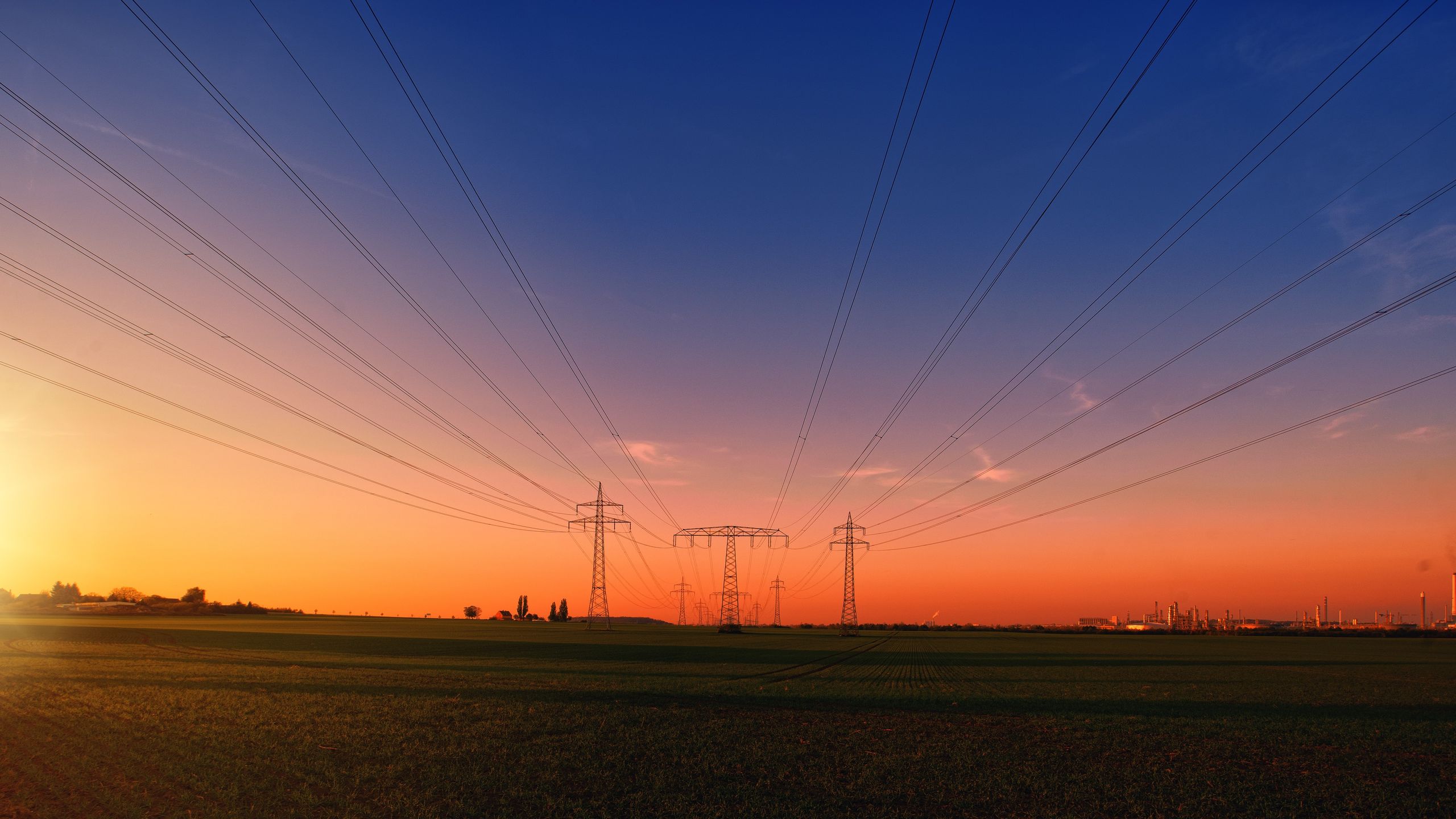
A significant bottleneck exists between the speed of AI infrastructure build-out and the slower pace of electrical grid modernization. Renewables generally take between one and five years to complete, whereas transmission infrastructure can require three to five times longer. This lag forces electricity providers to scramble to connect new industrial facilities before construction schedules are disrupted.
Some technology companies are pivoting toward independent power generation to bypass grid connection delays. However, this strategy introduces new logistical challenges, including equipment shortages and the difficulty of securing essential turbine components. The expansion has also sparked local opposition, with community groups concerned that large-scale computing operations will drive up residential electricity rates.
The IEA suggests that current price hikes are not conclusively linked to data center growth, noting that where infrastructure has spare capacity and covers its own costs, other customers are unaffected. This assumption relies on the premise that network upgrades are funded separately from general consumer distribution networks. Should new generation, substations, and transmission lines require shared network financing, household and small business bills could increase. Additionally, the growing appetite for computing power conflicts with decarbonization goals. Despite renewable sources comprising nearly 50% of new power purchase agreements, coal and natural gas still supply approximately 60% of actual data center electricity consumption. Projections indicate emissions from coal and gas use by data centers could rise by 70% before 2030.
Geopolitical energy markets have added further complexity. IEA Executive Director Fatih Birol recently drew a link between the instability represented by the Hormuz crisis and the inability to return to pre-crisis energy security paradigms. His analysis suggests that nations risk swapping one energy dependency for another in the pursuit of energy security.
Sources and further reading
See an error? Read our corrections policy or email [email protected].