
Steve Way's character Alden has become a focal point of the Hulu and Disney+ series Furious. Way, who has muscular dystrophy, was cast after showrunner Elizabeth Merriweather met him at a panel while discussing her previous project Dying For Sex. In an interview with TechRadar, Way explained how assistive technology and AI tools have been central to his career as an actor and comedian.
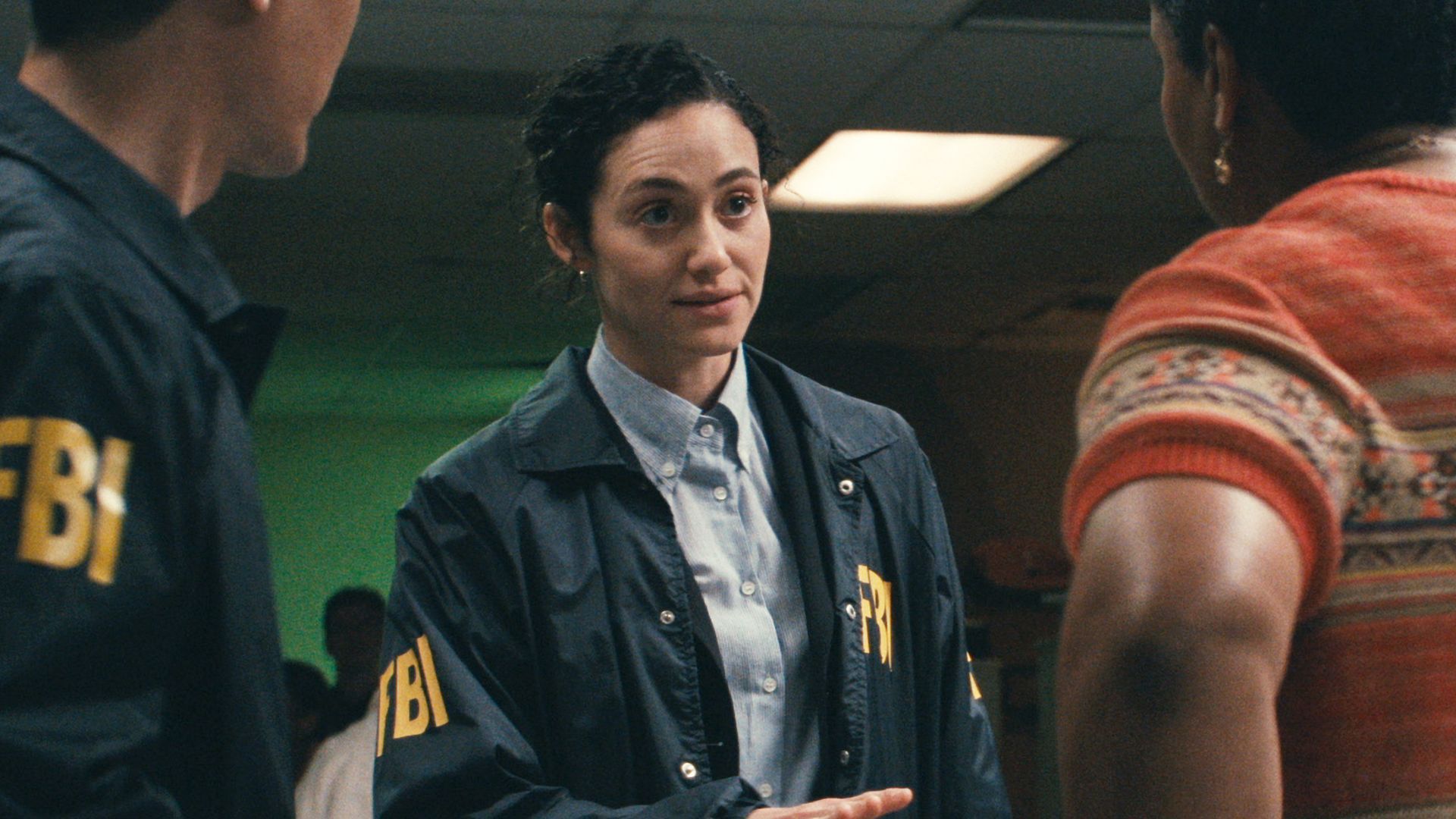
The series centers on FBI agent Alice Black (Emmy Rossum) hunting Catherine Grace (Lola Petticrew), a sex-trafficking survivor turned serial killer. Catherine works as a home care aide for Alden, whose mother has recently died. TechRadar's writer notes that Way's background in stand-up comedy gives his character sharp timing, and his on-screen presence often draws attention in any scene.
Way told the interviewer that he uses technology 'every second that I'm awake.' He reads scripts on large PDFs, zooms in during table reads, and relies on AI as a personal assistant to keep track of his schedule and ongoing projects. For years, he has used text-to-speech software to make phone calls and send messages—a habit he started at age 14. An on-screen keyboard allows him to type in ways he thought impossible. 'Assistive technology is a huge part of disabled people's lives,' Way said, adding that these small tools make his career possible.
The interviewer, Jasmine, says the conversation changed her perspective on AI in entertainment. She had previously believed that the less AI is used, the better, pointing to concerns like AI-generated remakes of classic films and the environmental impact of data centers. But hearing Way's experience made her realize that the other side of the debate might be someone whose life is transformed by AI-enabled accessibility.
Way argues that AI will not disappear and that society must embrace it in some form. He likens current resistance to AI to early skepticism about email. For disabled people, he says, AI can help with workflows, daily routines, and earning income. Many disabled workers lose out on job opportunities, but new AI-related roles—some that did not exist two months ago—allow remote work on a flexible schedule. That flexibility prevents burnout and exhaustion, something a traditional employer would rarely offer.
The article concludes that if wider AI adoption helps actors like Way appear more on screen, the writer may need to reconsider her previous judgments. The piece highlights how AI can serve as a powerful accessibility tool for disabled performers, even as the broader entertainment industry debates its use.
See an error? Read our corrections policy or email [email protected].