The camera market has shifted decisively toward mirrorless designs, but that doesn't mean DSLRs are obsolete. For most people buying their first interchangeable-lens camera, opting for a mirrorless model is the straightforward recommendation, according to a recent Engadget explainer.
The core difference between the two formats is mechanical. A DSLR uses an internal mirror to bounce light from the lens into an optical viewfinder. When the shutter is pressed, the mirror flips out of the way so the sensor can record the image. A mirrorless camera removes that mechanism entirely: light travels directly to the sensor, and the photographer sees either the rear screen or an electronic viewfinder that displays the sensor's live feed.
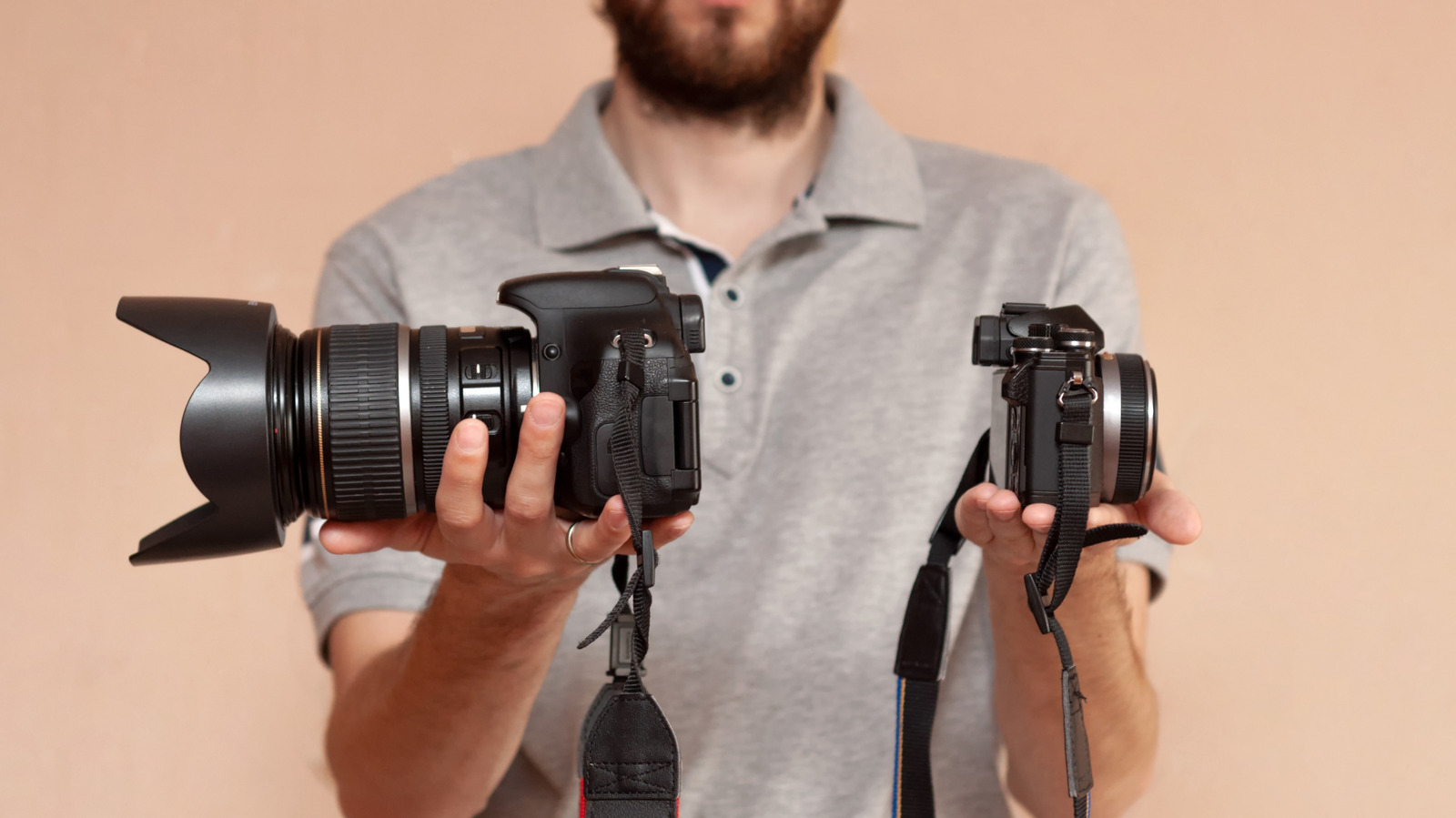
This seemingly minor engineering change has significant consequences. Because the sensor is always exposed in a mirrorless body, manufacturers can build in more autofocus points, enable subject detection for eyes, animals, or vehicles, and preview exposure changes before the shot. Electronic shutters can achieve very fast burst rates without the vibration of a moving mirror. Beginners benefit because what they see in the viewfinder closely matches the final image. On the other hand, DSLRs' optical viewfinders require no power to display the scene, so battery life is typically longer. Removing the mirror also allows mirrorless bodies to be smaller, though large telephoto lenses can erase that size advantage.
Image quality is not a major differentiator. Both formats can produce excellent photos with a good sensor and lens. The bigger improvements in mirrorless cameras are in autofocus, shooting speed, video, and the overall shooting experience—which is why Canon and Nikon have shifted their attention to mirrorless systems.
For someone starting fresh, Engadget's advice is simple: choose a mirrorless camera. Existing DSLR owners face a different calculation. If they already own a collection of Canon EF or Nikon F lenses, accessories, and a body that works well, switching systems is an expensive solution to a problem they may not have. Adapters can ease a future transition, but the immediate need is often low.
Professionals have also been moving toward mirrorless. A survey by Shotkit of 1,000 photographers found that 63 percent of professional respondents used mirrorless cameras, though the sample was drawn from Shotkit's own audience and photography groups, not a representative cross-section of all working photographers.
Canon and Nikon's product strategies reflect this market shift. Nikon denied a 2022 report that it had stopped developing DSLRs, calling it speculation at the time, but it has not released a new DSLR since 2020 and has focused on its Z mirrorless line. Pentax, under Ricoh Imaging, is a notable exception, with plans to continue working on SLR technology.
That leaves DSLRs in an awkward position. They remain capable and familiar to millions of photographers, and can offer strong value on the used market. But starting a brand-new system around a DSLR in 2026 is much harder to justify. In 2025, mirrorless cameras accounted for about 90 percent of interchangeable-lens camera shipments.
This summary is based on Engadget's reporting.
See an error? Read our corrections policy or email [email protected].