PC Hardware: The Longevity of Obsolescence vs. Physical Breakage
Evaluating the true lifespan of computer components in an era of high prices and rapid software evolution.

The usability of PC components is defined less by their age and more by their relationship with modern software ecosystems. While degradation is a concern for physical parts, the loss of compatibility poses the greater threat to hardware longevity. In an era marked by planned obsolescence and high component prices, reusing existing equipment remains a prudent approach to sustaining a PC build.
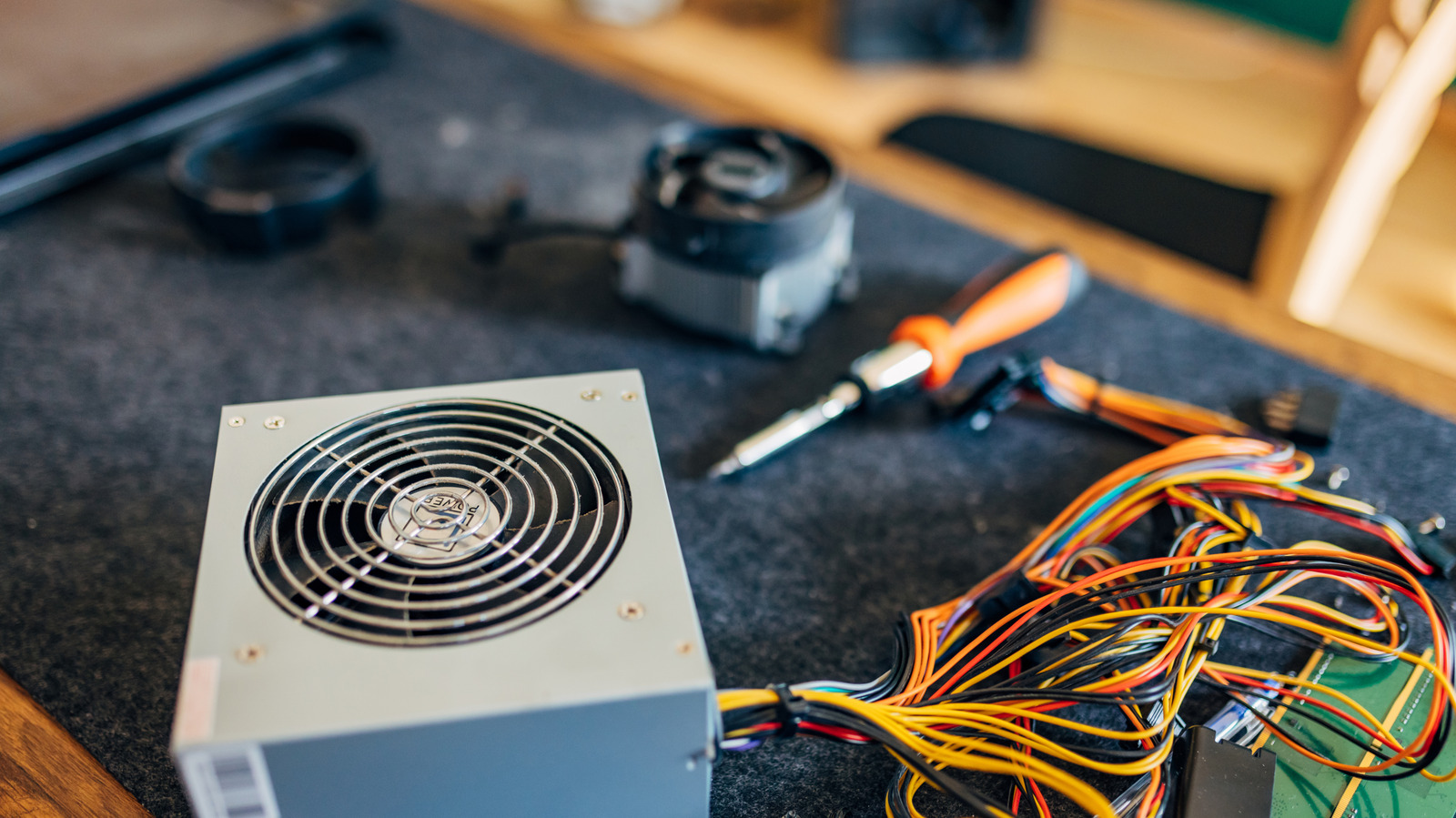
The distinction between a component's life span and its usefulness often depends on its inherent complexity. The most durable hardware consists of simple, self-contained elements such as fans and generic cases. These parts are largely resistant to platform changes and can often exceed a decade of service with routine maintenance and cleaning. However, reliance on the motherboard and GPU introduces greater fragility. As computing architectures evolve, motherboards become incompatible with new standards. Their increased complexity also means more internal failure points, reducing the average window of reliability. GPUs are particularly vulnerable; the intense demands of modern gaming often render them obsolete within a cyclical period of three to five years, regardless of their physical condition.
Even components like RAM and processors often possess a decade-spanning durability, provided they are shielded from extreme environmental stressors like power surges or temperature extremes. However, the timeline of hardware utility is frequently dictated by external software pressures. Modern web browsers and applications have become increasingly resource-heavy, incorporating advertisements and animation that demand significant processing power. A vintage rig may remain physically functional yet entirely incapable of rendering modern websites or content.
Preservation strategies must account for both environmental conditions and material composition. Rubberized components in vintage hardware degrade over time into sticky residues, while improper storage leads to corrosion or leaks. Given the continued upward pressure on electronic prices, distinguishing between physical breakage and functional obsolescence is essential. Hardware that can no longer keep pace with current software standards may still possess utility in repurposed projects or scrap value.
Sources and further reading
See an error? Read our corrections policy or email [email protected].