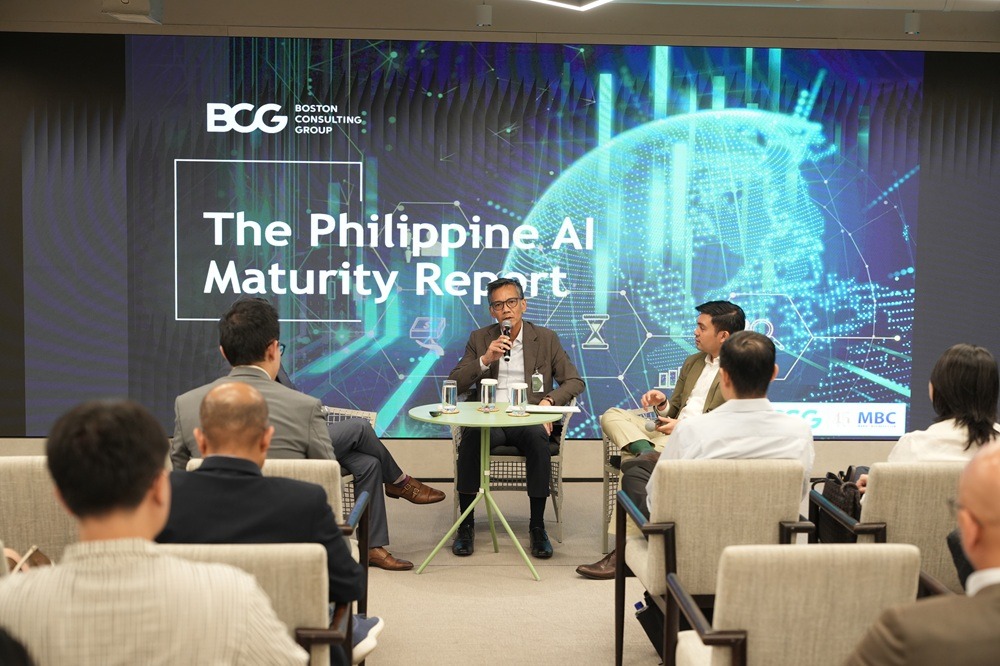
Philippines Establishes National AI Council Under Executive Order 131
President Ferdinand Marcos Jr. has signed an executive order creating a National Artificial Intelligence Council to guide the country's AI development under a new national framework focused on responsible use and public trust.

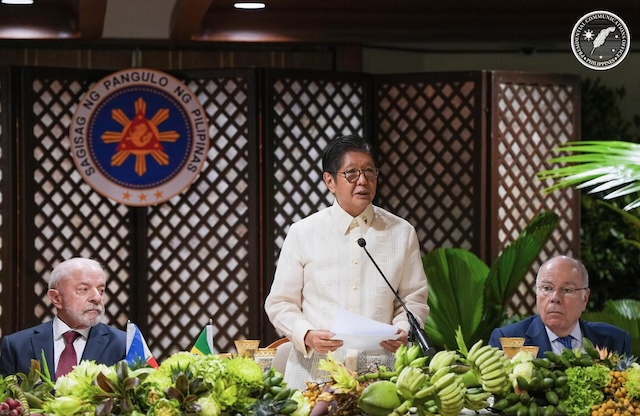
The Philippines is setting up a National Artificial Intelligence Council to oversee the country's approach to AI, following an executive order signed by President Ferdinand Marcos Jr., according to reporting by the Philippine News Agency (PNA) and relayed by Back End News.
The council will work alongside a newly adopted national framework that outlines how the country intends to govern AI use, with emphasis on responsible deployment and safeguards meant to preserve public trust in the technology. Executive Order No. 131 was signed on Nov. 12, with Palace Press Officer Claire Castro announcing it on Nov. 14.
Confirmed facts
- A national AI council is being created by executive order.
- The order establishes a national AI framework covering responsible use and safeguards.
- The council is intended to guide both AI development and use.
- Government officials describe the measure as providing a "unified direction" for AI in the country, per PNA.
- Officials frame the initiative around benefits for workers, businesses, and communities.
What the order signals — interpretation
For technology businesses and users in the Philippines and wider Southeast Asia, the creation of a coordinating body suggests the government wants a single reference point for AI policy rather than scattered agency-level guidance. That can matter for companies seeking clarity on compliance expectations, and for regional firms weighing where to build or deploy AI products.
The framework's stated focus on safety and ethics, combined with officials' emphasis on public benefit, indicates the council's mandate will extend beyond promoting adoption. How those principles translate into concrete rules, however, is not detailed in the available reporting.
Officials quoted by PNA said the president views AI as a means to improve daily life rather than merely advancing technology for its own sake, and that the gains from technological progress should reach the broader public.
What remains unclear
The source material does not specify the council's membership, powers, budget, timelines, or how its guidance will interact with existing regulation. It also offers no detail on the framework's specific safeguards or enforcement mechanisms. Those gaps will matter to businesses trying to anticipate compliance obligations and to civil society groups watching how the council balances promotion of AI with oversight.
For now, the order establishes institutional intent. The practical effect will depend on how the council is constituted and what it produces.
This report is based on PNA's coverage as summarized by Back End News. Original reporting credit belongs to PNA, with aggregation by Back End News.
Sources and further reading
See an error? Read our corrections policy or email [email protected].
Continue reading
917Ventures sets 10 startup deals as 2027 target, with AI at the center
Asean digital pact could widen regional markets for MSMEs, but implementation will decide impact