Philippines ranked in top five nations for anti-illicit trade frameworks
Philippines improves its global standing in the 2025 Illicit Trade Index, though industry bodies warn that efforts to convert enforcement seizures into legal prosecutions remain inconsistent.

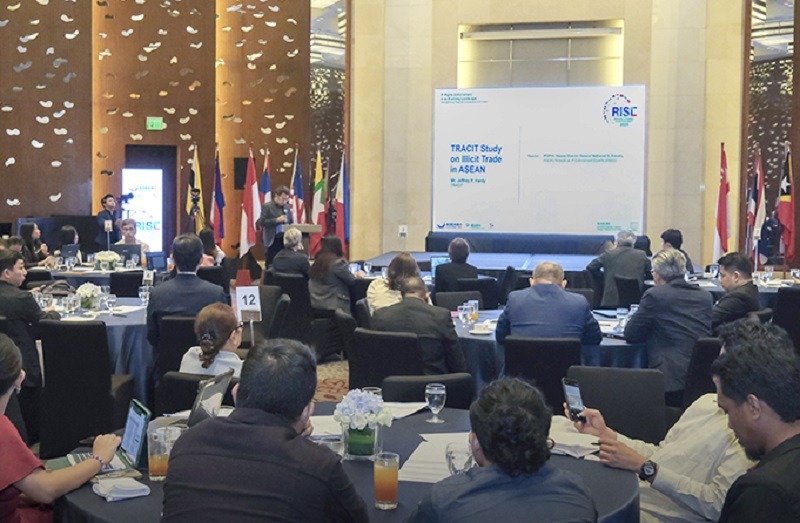
The Philippines has positioned itself as a leading nation in Southeast Asia regarding the regulatory architecture dedicated to combating illicit trade, according to the Transnational Alliance to Combat Illicit Trade (Tracit). Specifically, Tracit analyzes the 2025 Illicit Trade Index, which ranks the Philippines fifth in the ASEAN region and 69th globally out of 158 evaluated countries. The nation’s overall score of 51.1 places it above both regional and global averages for illicit trade risks.
Commenting on the education of the rankings, Intellectual Property Office of the Philippines (IPOPHL) Director General Teodoro C. Pascua noted that the placement reflects the strengthening of anti-counterfeiting frameworks. However, Pascua emphasized that maintaining this progress requires sustained follow-through, noting that the effectiveness of institutions is judged by the ability to convert enforcement actions into legal outcomes.
While the country boasts stronger enforcement structures than regional peers, including a 15-member National Committee on Intellectual Property Rights (NCIPR) focused on interagency coordination, the report identifies logistical obstacles. The study highlights the country's extensive coastline and difficulties in identifying shipments as barriers to customs enforcement. To address seizure procedures, the Tracit report calls for closer coordination among IPOPHL and the Department of Justice to advance more cases to the prosecution stage.
On the digital front, the report cites infrastructure such as the Internet Transactions Act of 2023, which mandates that e-commerce platforms remove unlawful listings. It also references a coordination agreement between rights holders and platforms facilitated by IPOPHL. E-commerce data indicates current platform participation in takedowns. From June 2024 to May 2025, Lazada self-identified and removed 85.5% of notional infringing listings in its system, while Shopee reported a proactive identification rate of 93.6% for similar removals during the same period.
The report flags persistent challenges in physical markets, notably Greenhills Shopping Center, which the Office of the United States Trade Representative has reviewed for counterfeiting since 2018. To counter this, IPOPHL established an NCIPR help desk in Greenhills to provide a reporting venue for rights holders and the public. The findings were presented at the inaugural Regional IP Summit on Enforcement in Metro Manila, where IPOPHL Deputy Director General Nathaniel S. Arevalo suggested the data can serve as a basis for regional cooperation.
Sources and further reading
See an error? Read our corrections policy or email [email protected].
Continue reading
Human Centricity in AI: Sovereignty and Localized Tools Take Center Stage at 2026 Summit

Philippines' AI ambitions run well ahead of its foundations, BCG–MBC study finds