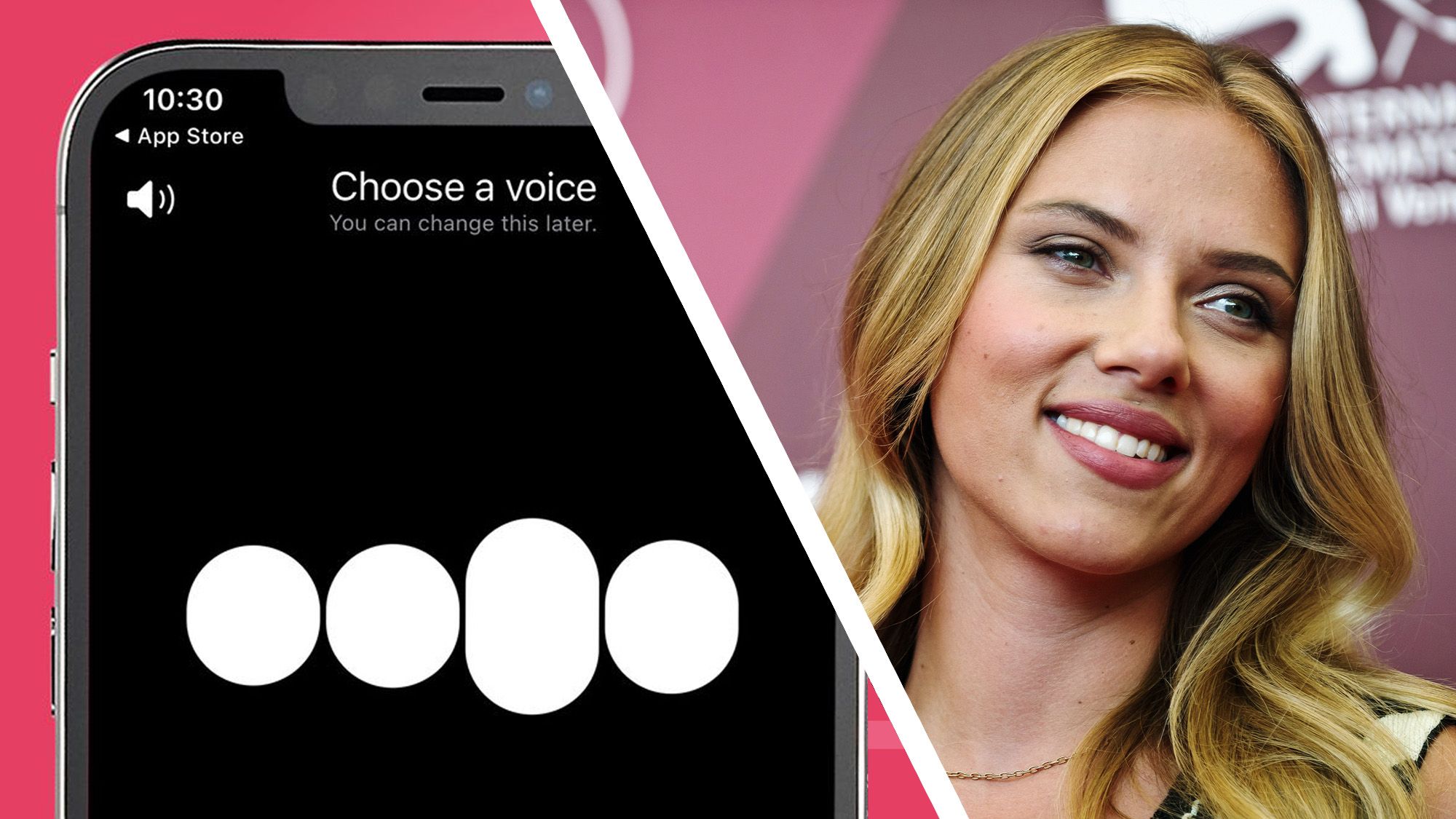
Scarlett Johansson's recent confrontation with OpenAI has spotlighted the growing tension between AI capabilities and personal rights. The actor, known for her role as the AI in the film 'Her', was reportedly approached by OpenAI to lend her voice to the marketing of GPT-4. She declined, but the company later released a voice—dubbed 'Sky'—that many found eerily similar to hers. This prompted Johansson to seek legal action, leading OpenAI to pull the voice after two letters from her attorneys.
The episode, as reported by TechRadar Pro, underscores a broader concern: the ease with which AI can replicate human voices, and the potential for such technology to be used without consent. Johansson's statement expressed shock and anger, framing the incident as a personal and professional violation. Her case is a stark reminder of the legal and ethical gray areas in AI development.
This isn't just about one celebrity. It's a cautionary tale for anyone whose likeness could be co-opted by AI, raising questions about identity, ownership, and the responsibilities of tech companies. As AI voices become more realistic, the line between inspiration and infringement blurs.
TechRadar Pro notes that Johansson had been told her voice could 'bridge the gap between tech companies and creatives'—a promise that rang hollow when her refusal was seemingly ignored. The backlash led to the voice's removal, but the damage was done, sparking conversation about AI ethics that continues to evolve.
For the tech industry, this serves as a wake-up call. While AI offers incredible possibilities, it must be wielded with respect for individual rights. The 'Sky' incident is a benchmark in the ongoing debate over AI regulation and the protection of personal identity in the digital age.
As seen through this incident, the future of AI will require a delicate balance between innovation and ethics. Companies must navigate these waters carefully, or face the public's ire—and the courts.
See an error? Read our corrections policy or email [email protected].