Supply Chain Incident Compromises Niche File Management Utilities
The official distribution channels for Q-Dir and DesktopOK have been hijacked to distribute trojanized installers carrying a Python-based remote access trojan.

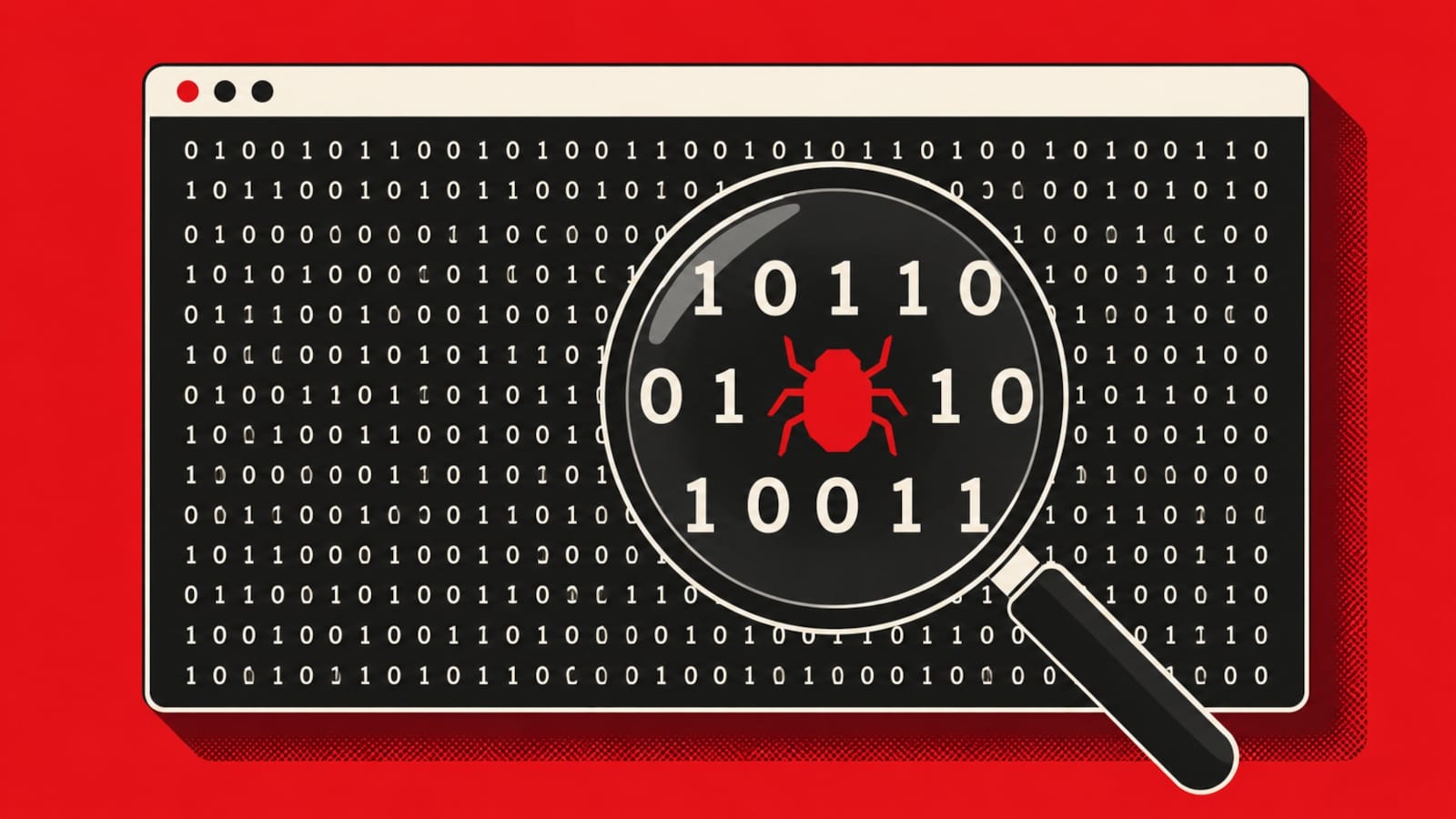
The official software repositories for the Windows utilities Q-Dir and DesktopOK have been targeted to propagate a malicious payload. Security analysts from AhnLab have identified that the installers hosted on the official SoftwareOK website have been digitally signed with the developer's legitimate certificate, allowing the trojan to bypass standard verification processes.
The affected products serve distinct roles for Windows power users. Q-Dir functions as a more robust file manager compared to the default Windows Explorer, while DesktopOK provides functionality for saving desktop icon layouts during display changes. Despite not being mainstream consumer software, these tools are relied upon by IT professionals and system administrators.
The malicious software mechanism targets both fresh downloads and the update routines for current users. Once executed, the embedded Python RAT initiates a scheduled task to maintain persistence on the system. The trojan provides the operator with execution capabilities for both shell commands and Python code, asset transfer functions, and screen capture utilities.
A key component of the malware's strategy involves reconnaissance. The trojan compiles a detailed log of the security software currently active on the infected machine. The log lists over 1,200 processes, including major vendors such as AhnLab V3, CrowdStrike Falcon, SentinelOne, Trend Micro, Avast, McAfee, ESET, Symantec, Kaspersky, Bitdefender, Sophos, Fortinet, Elastic Security, Malwarebytes, and FireEye.
This system information is relayed to a command and control server. This data collection enables the operators to anticipate and circumvent existing defenses without triggering detection alerts. As the manufacturer could not determine the specific method of the installer replacement or the exact window of the attack, users must rely on technological verification.
To confirm infection, users should compare their download hashes against the official documentation. Furthermore, simply uninstalling the trojanized software may not clear the infection, as the system may retain traces of the scheduled task and external network communication.
Sources and further reading
See an error? Read our corrections policy or email [email protected].