The Modular Era Ends: Extending the Life of the Discontinued Mac Pro
Apple ceased production of the Mac Pro in March 2026. Users can either liquidate the asset to acquire M-series silicon or repurpose older units via virtualization and part salvage.

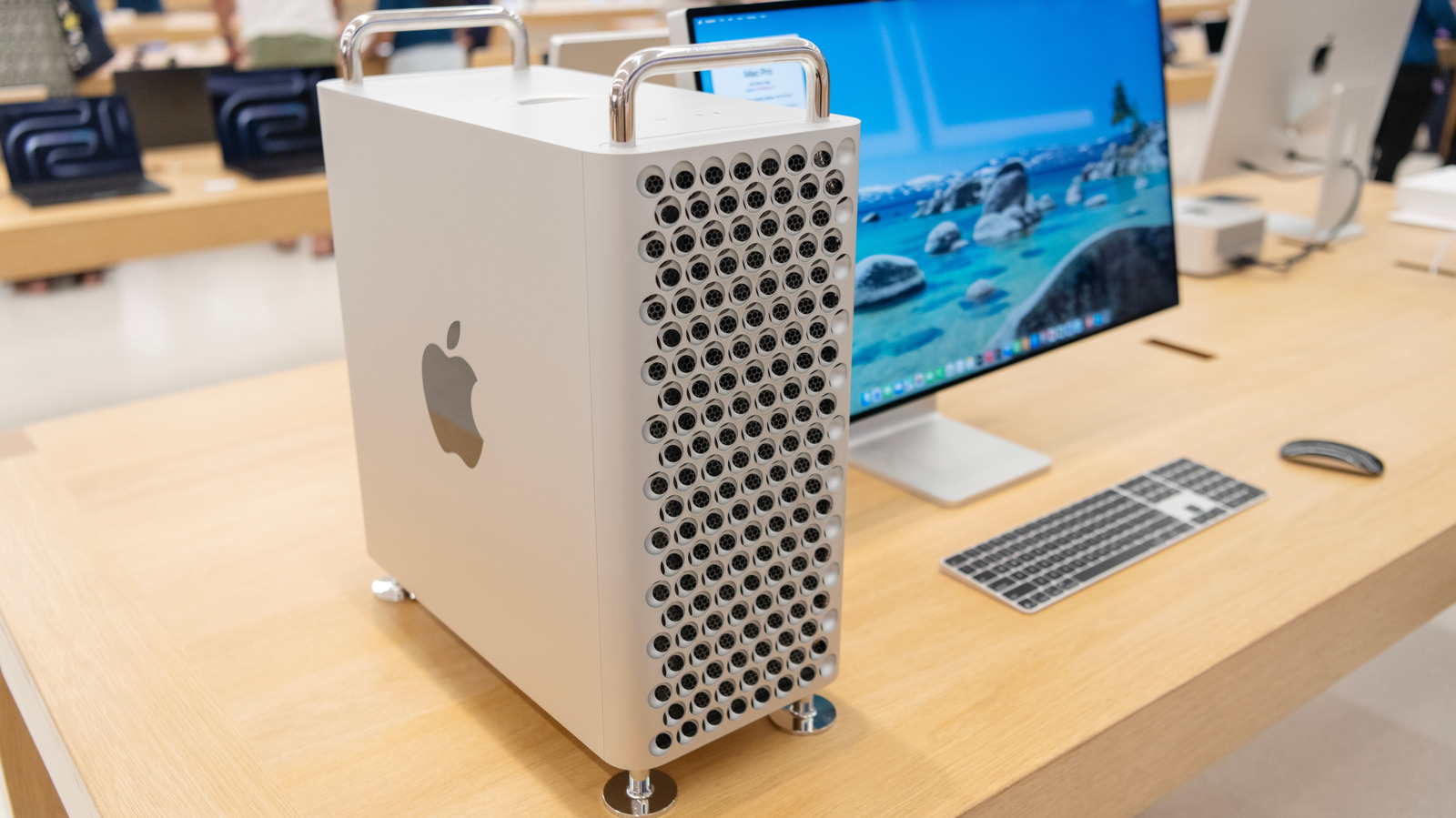
Apple ceased production of its modular desktop workstation in March 2026, marking the end of a product category that defined high-end expandability. This discontinuation allows Apple to shift focus entirely toward the Mac Studio line, which utilizes a System-on-a-Chip (SoC) design. For users tethered to the older architecture, the move presents a retention challenge, particularly for those who invested upwards of tens of thousands of dollars in a configured 2019 model.
The rationale for exiting the modular market is rooted in technical incompatibility. The legacy platform relied on direct connectivity for external graphics cards, a capability that conflicts with the M-series architecture's unified memory pool. Because system resources are shared across the CPU, GPU, and memory, introducing components typical of the 2019 Mac Pro is not functionally supported by the new silicon. This architectural divergence forced Apple to streamline its software offerings, as developers of sophisticated tools like Adobe Premiere Pro now optimize specifically for Apple silicon rather than attempting to maintain support for multiple disparate backends.
Regarding software lifecycle, the divergence is evident in the current operating system, macOS 27 Golden Gate. This version predominantly supports the M-series architecture. Consequently, the Intel-based Mac Pro is no longer supported by this OS, whereas the 2023 Mac Pro, which uses the M2 Ultra, remains a fully supported device. While manufacturers may continue mandatory security updates for legacy Mac Pros for a short duration, the user base faces an increasingly unsupported environment.
For the asset-strapped owner, several preservation strategies remain. The modular design of the 2019 unit opens the possibility of salvaging internal components. High-demand parts such as Memory modules and storage drives often retain resale value. Alternatively, professionals reliant on raw computational power for video editing within the secondhand market may be willing to purchase these units at a discount. Given the performance profile of these workstations relative to newer S.O.C. designs for specific non-real-time tasks, they retain utility.
If software updates cease being relevant, the hardware can be repurposed. These machines can host operating systems other than macOS through virtualization. Paid platforms such as Parallels allow for the installation of guest environments like Ubuntu Linux or Windows 11 without eradicating the host system. A full separate installation is possible but requires technical proficiency to avoid rendering the machine inoperable.
Before transferring ownership or hardware, users must ensure data privacy. Apple suggests following specific guidelines to back up files, logout of all accounts, and conduct a factory reset. This step becomes critical to prevent sensitive data from transferring to the new owner.
Sources and further reading
See an error? Read our corrections policy or email [email protected].