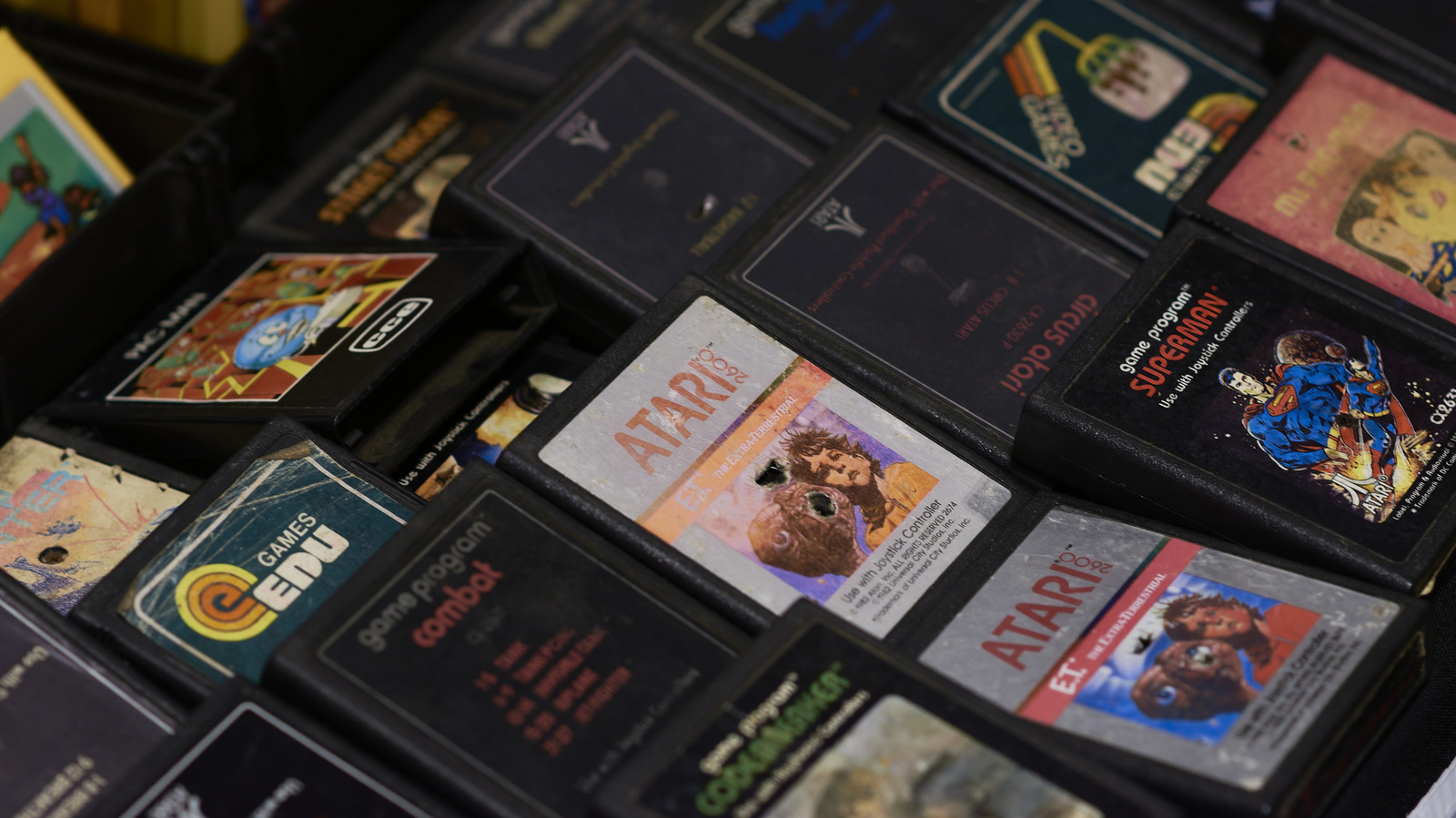
If you have a stack of old video games, you might wonder if you're sitting on a fortune. While most won't pay off a mortgage, some retro titles can fetch serious cash—if you know what to look for. Here's a guide to assessing and selling your collection.
Rarity Matters
The first thing to consider is scarcity. Older games, especially from less popular consoles, tend to be rarer. For example, GameCube games often command higher prices than PlayStation 2 titles from the same era, because the console sold fewer units, meaning fewer copies of its games were produced. Special editions, regional variants, and obscure releases can also be worth more. The most extreme example is the NES title Nintendo World Championship Gold, a prize given to only 26 winners, which can sell for over $100,000.
Condition and Completeness
Rarity alone doesn't set the price—condition is crucial. Games that are "complete in box" (CIB), meaning they include the manual and original packaging, are worth significantly more than loose cartridges or discs. Sealed games fetch even higher premiums. Visible damage, like scratched discs or worn labels, reduces value.
Nostalgia and Demand
Popular franchises hold their value due to nostalgia. Games like Pokémon or Zelda titles remain in demand even if they were mass-produced. However, remakes and re-releases can lower the price of originals, as players have other options. That said, exceptions exist—Silent Hill 2 still sells well despite its remake. Always check current market prices.
Getting Games Graded
For high-value items, consider having them graded. Grading services like CGC provide a certified quality assessment, which can make a game easier to sell and often increases its price. This is only advisable for rare, mint-condition games, as grading isn't cheap.
Where to Sell
Trade-in stores like GameStop are fast and easy, but you'll get less—often around half the market value. For example, Mario Kart: Double Dash has a market price of about $60, but GameStop might give you "up to" $27.50 in store credit. For better returns, sell on eBay or similar platforms where you control the price. Use price-tracking tools like PriceCharting or Plynt to catalog your collection and set competitive prices.
Final Tips
If you're selling by mail, keep detailed records of your shipments and understand seller protections. While most old games are worth little, a few could turn out to be gems. Do your research, check current prices, and sell smart.
This article is based on reporting from Engadget.
See an error? Read our corrections policy or email [email protected].