ULA's Vulcan Rocket Fails on Second Flight, Destroying 40 Amazon Leo Satellites
United Launch Alliance's new Vulcan rocket suffered an anomaly during its second flight, losing its payload of 40 Amazon Leo internet satellites. The failure is a setback for both ULA and Amazon's satellite broadband ambitions.

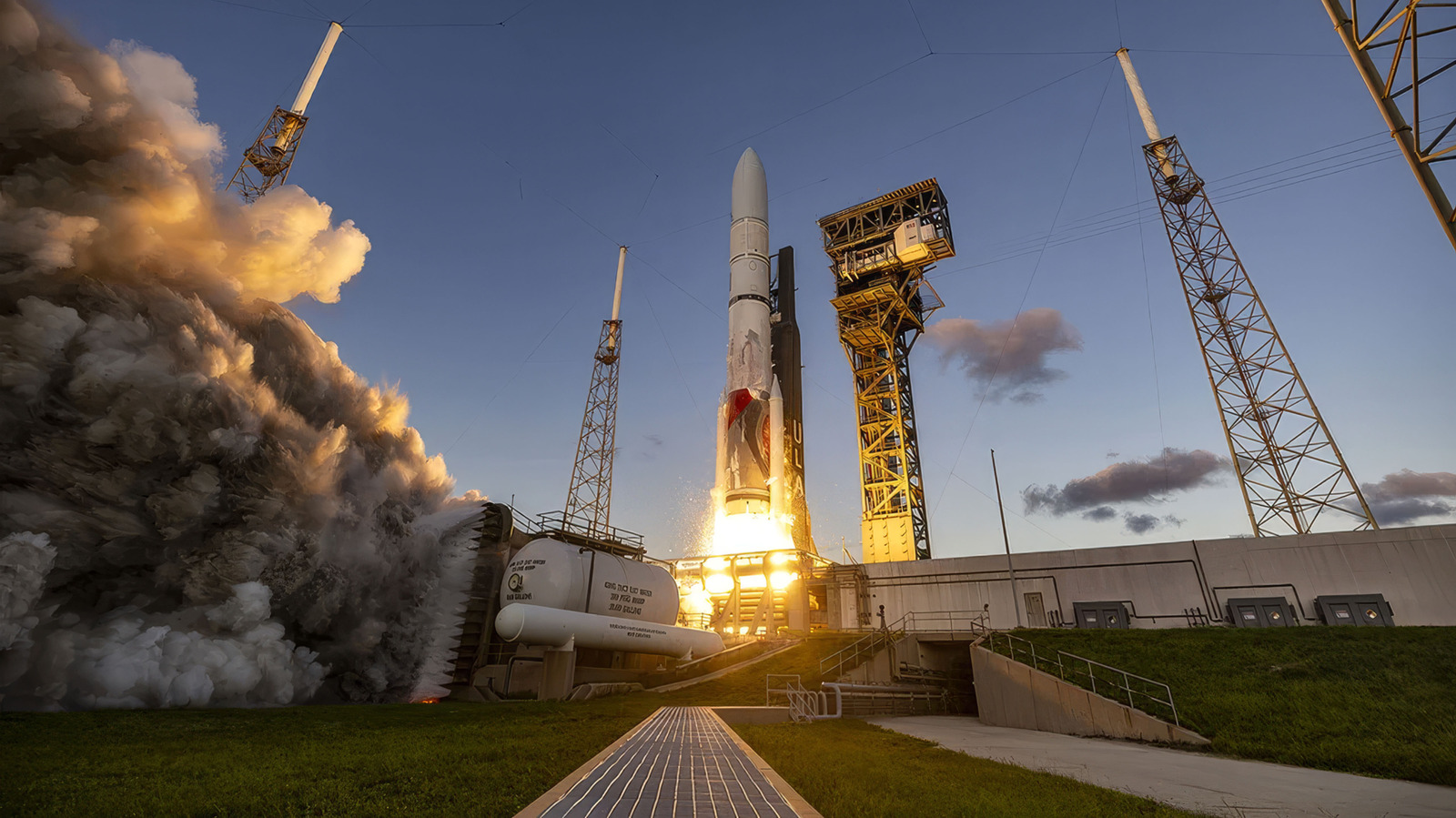
United Launch Alliance's (ULA) new Vulcan rocket experienced a failure during a launch on Sunday, November 15, resulting in the loss of its payload: 40 Amazon Leo internet satellites. According to Engadget, the anomaly occurred about 10 minutes into the flight, after the rocket had lifted off from Space Launch Complex 41.
ULA confirmed the failure in a post on X, stating that the Vulcan vehicle "suffered an anomaly 10 minutes into the flight and failed to deliver the Amazon mission to orbit." The company added that it will work with its customer and other organizations to determine the cause and return to flight.
This marks the first launch failure for ULA since its formation in 2006 as a partnership between Boeing and Lockheed Martin. The company's Atlas V rocket had previously earned a reputation for reliability. The Vulcan, which is more powerful and complex, now faces an investigation and potential grounding.
According to the source, the launch had already faced delays. A refuelling issue scrubbed a Friday attempt, and the Sunday launch experienced a hold at T-minus 20 seconds due to an unspecified technical issue. The problem was resolved, and the rocket launched at 12:40 PM ET. The solid boosters, which had caused problems on two earlier flights, appeared to function normally. However, the first-stage methane engines burned longer than ULA's estimated timeline, as noted by Spaceflight Now. The anomaly apparently occurred during the Centaur upper stage's planned 12.25-minute burn, according to ULA's website.
The failure is a significant blow to Amazon's Leo internet satellite system, which aims to rival SpaceX's Starlink. Amazon has 38 Vulcan flights booked for its satellites, following eight successful Atlas V missions. Many of those flights are now likely to be delayed.
Amazon's other launch provider, Blue Origin, also faced a setback in May when its New Glenn rocket exploded on the launchpad. Amazon has 24 flights booked on that rocket.
The Federal Communications Commission requires Amazon Leo to have 1,600 satellites in orbit by July 31, 2026. Currently, only around 390 are in service. Amazon still plans to have 3,232 satellites in orbit by July 2029, but that goal may be harder to achieve. In July, the company said, "No operator could have predicted that all three core heavy-lift launch programs... would experience repeated, concurrent scheduling slips severe enough to exhaust the buffers Amazon Leo had built in." With the Vulcan failure, Amazon's satellite ambitions face further obstacles.
Interpretation: The loss of 40 satellites and the likely delay in future launches could impact Amazon's ability to meet regulatory deadlines and compete with Starlink. The cause of the anomaly remains unknown, and ULA has not provided a timeline for return to flight. The investigation's findings will be crucial in determining the next steps for both companies.
Sources and further reading
See an error? Read our corrections policy or email [email protected].