Wi-Fi 8 trades raw speed for stability, but upgrades can wait
The next wireless standard, 802.11bn, targets dropped packets and weak signals rather than faster peak speeds. Draft-spec routers are already on sale, but Engadget reports the benefits need matching devices and time.

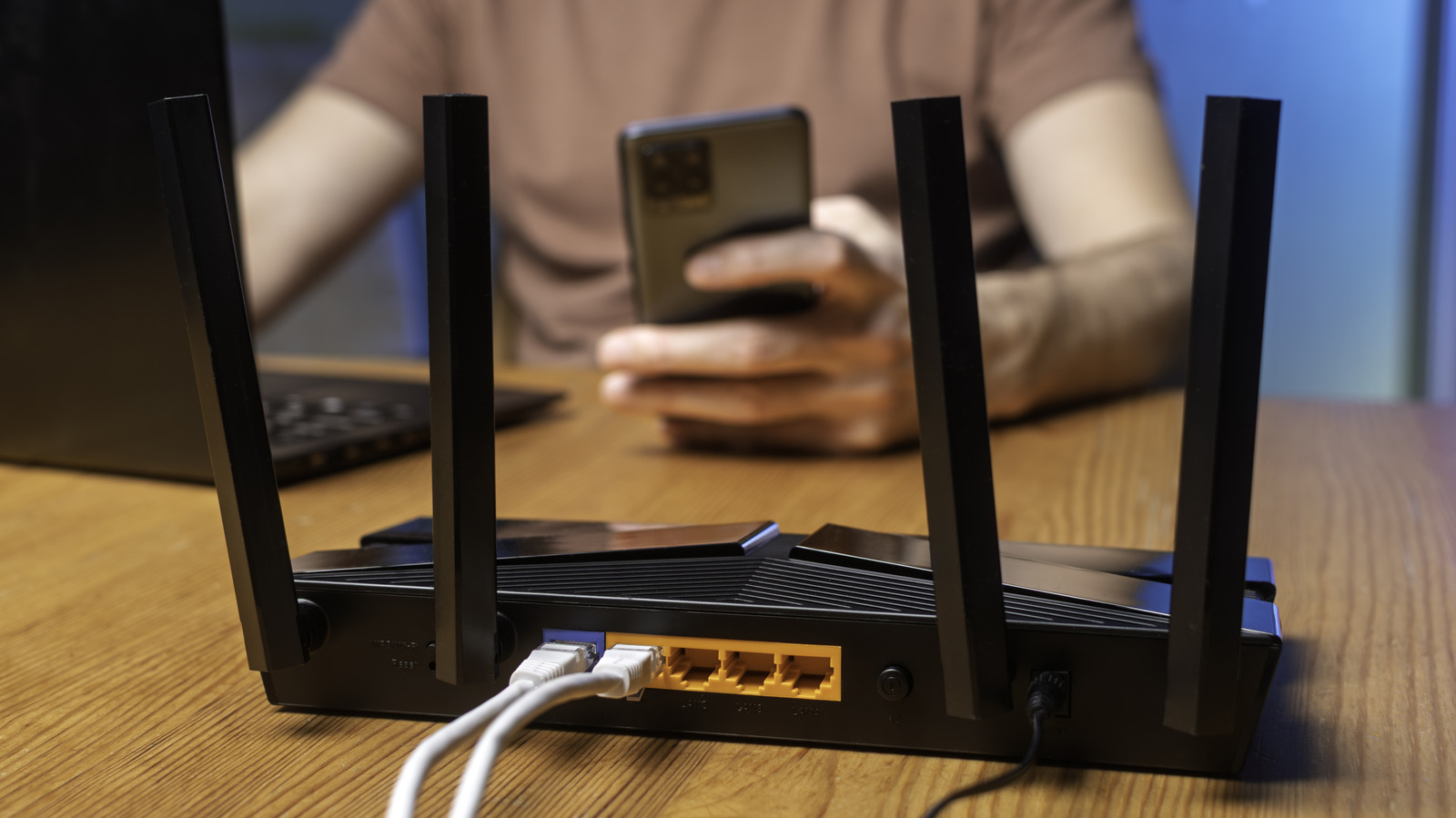
Wi-Fi 8 is being developed with reliability rather than peak throughput as its central goal, according to Engadget. The standard, formally 802.11bn and nicknamed "Ultra High Reliability," is expected to receive final approval in 2028, though vendors including ASUS and TP-Link have already announced routers built on the draft specification.
The shift in emphasis reflects the state of the current generation. Engadget reports that Wi-Fi 7, released in 2024, has theoretical speeds far beyond what most people encounter, while stability, wall penetration and range have drawn complaints. Most home broadband plans deliver only a few hundred megabits per second, a load the older Wi-Fi 6 standard can generally handle, the outlet notes.
Wi-Fi 8's targets, as described by Engadget, are modest but practical: roughly 25 percent better throughput for weak signals, 25 percent fewer dropped packets, particularly when a device moves between access points, and 25 percent lower latency during the most unstable moments. These figures describe the standard's design goals rather than results from independent testing.
The main mechanism involves coordination between access points. Current routers share channels by taking turns, a process Engadget describes as not always efficient. Wi-Fi 8 would let compatible access points coordinate their transmission timing. That change would matter most in mesh systems, where multiple units serve one home.
Engadget identifies several everyday problems the standard is meant to address: a weak signal in part of a house, dense apartment buildings where many networks compete for airtime, and awkward handoffs when a user walks between mesh nodes.
For buyers, the practical picture is less exciting than the marketing. Engadget reports that early Wi-Fi 8 routers are available now, with a TP-Link model expected soon in some markets, but the benefits require support on both ends of a connection. A phone, laptop or tablet must also support the standard. Because the first hardware is built on a draft, there is no guarantee it will implement everything in the final version. Engadget characterizes buying now as an investment in future capability rather than an immediate gain.
The outlet's assessment is that Wi-Fi 8 should eventually be worthwhile, particularly for people in congested buildings or those running mesh networks, but that users should expect to wait a year or two before seeing the difference. For a router purchase today, Wi-Fi 7 remains a reasonable option, per Engadget. The outlet also notes that repositioning an existing router to a more central location may improve a connection more than any new standard.
In short, the next generation of Wi-Fi is less about headline speeds, which the current generation already covers for most households, and more about making connections hold up under real conditions. The evidence for those improvements is currently the standard's stated objectives, not independent measurement, and the hardware to deliver them is still maturing.
Sources and further reading
See an error? Read our corrections policy or email [email protected].