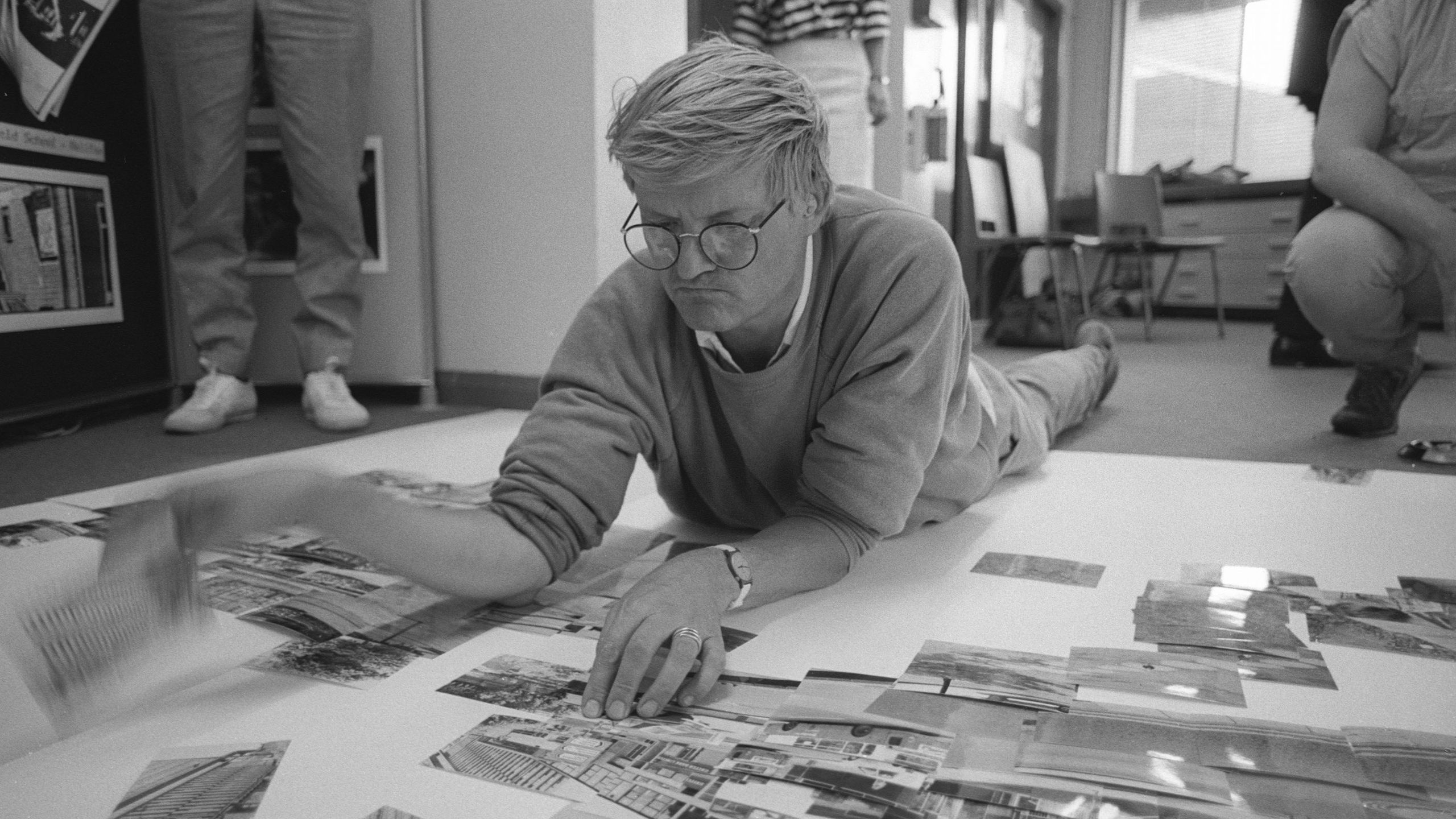
World Photography Day offers a moment to celebrate the medium and its masters. For many camera enthusiasts, the day is an opportunity to reflect on works that push the boundaries of what photography can be. One such body of work is the Polaroid collages created by the late artist David Hockney, who passed away in June at the age of 86. Though initially skeptical of photography as a serious art form, Hockney's encounter with instant film in 1982 changed his view dramatically.
The catalyst was a suggestion from his friend, curator Alain Sayag, who proposed that Hockney use Polaroids to document his art collection. Instead of a simple archival tool, Hockney saw a creative possibility. He invested heavily in film and began constructing intricate photo mosaics that rearranged reality into fragmented, cubist scenes. The results are currently featured on the David Hockney Foundation website, where they continue to captivate viewers with their play on perspective and depth.
In these composites, a single scene is built from dozens of overlapping frames. The same figure may appear multiple times, suggesting motion, while faces and forms are broken down and reassembled in a manner reminiscent of Picasso, an artist Hockney admired. The white borders between the photos are not hidden but embraced, becoming part of the artwork's fabric. Each piece demanded meticulous effort, yet the final images deliberately avoid naturalism, offering something more layered and introspective.
Hockney's embrace of photography extended beyond Polaroids. He eventually switched to a Pentax 110, a compact interchangeable-lens SLR that used 110 film, and traveled widely, even creating a large-scale collage of the Grand Canyon. His innovative work gained formal recognition in an exhibition titled 'Drawing with a Camera' at the André Emmerich Gallery in New York.
The collages are a testament to an artist stepping into a new medium and immediately reshaping it. On this World Photography Day, they invite us to revisit the ways we see and capture the world. As we celebrate the art of photography, we might take a cue from Hockney: look at familiar subjects from unexpected angles, embrace imperfection, and find beauty in fragmentation.
See an error? Read our corrections policy or email [email protected].