Xreal One Pro+ AR glasses get a brightness bump and a redesigned nose pad
Xreal's One Pro+ arrives at the same $600 price as last year's model with brighter displays, faster 2D-to-3D conversion and a new nose pad, but no camera.

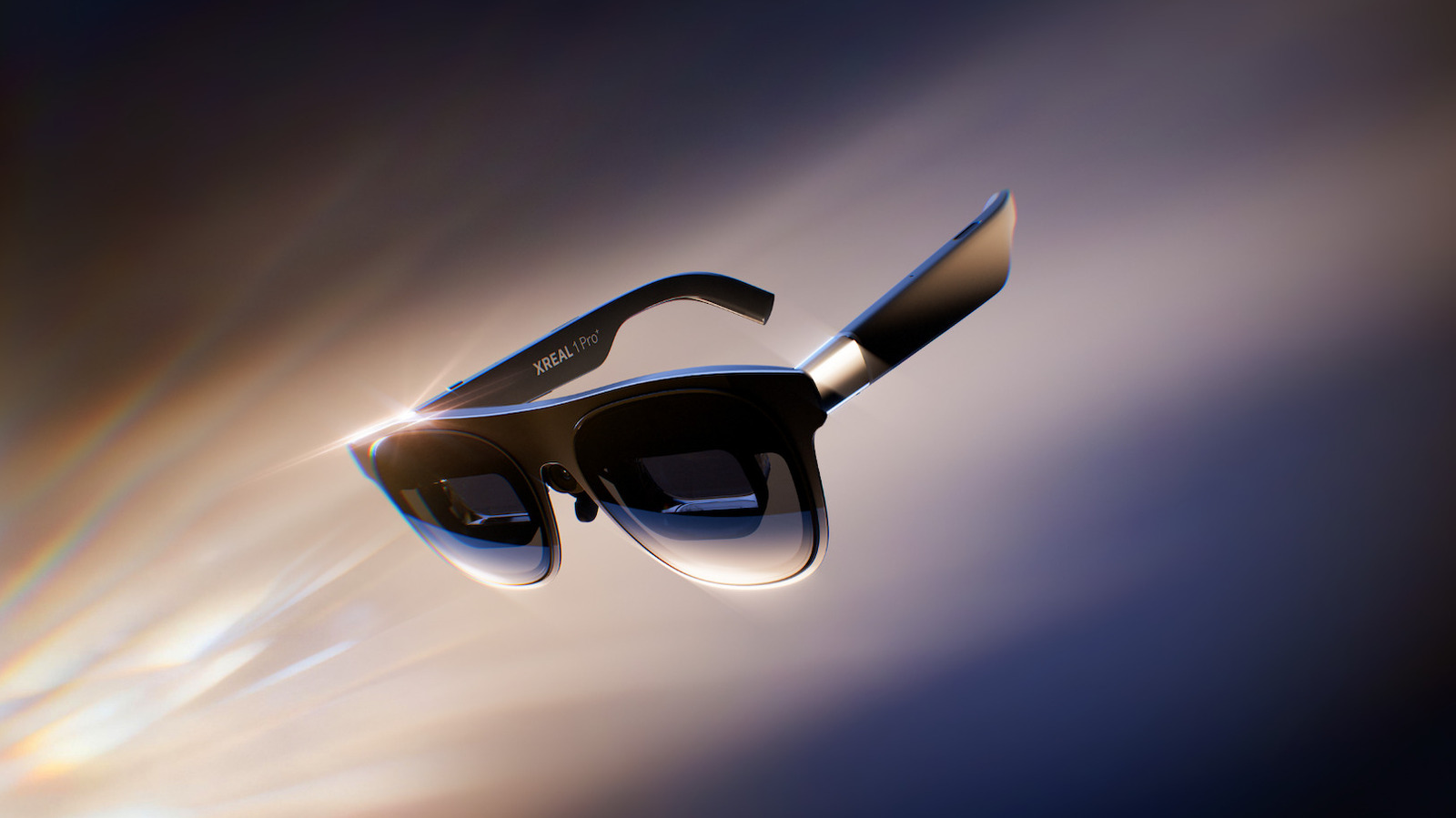
Xreal has introduced an updated version of its One Pro augmented reality glasses. According to Engadget, the One Pro+ is a modest refresh rather than a redesign, keeping most of the original hardware while adding a few changes aimed at everyday use.
The most concrete change is display brightness. Engadget reports that the One Pro+ reaches 1,200 nits of peak brightness, up from 700 nits on the standard One Pro. Xreal also says the new model includes AI HDR upscaling to improve image quality. In practice, extra brightness is the kind of specification that matters most outdoors or in brightly lit rooms, where head-worn displays can struggle against ambient light.
Xreal has also upgraded its 2D-to-3D conversion algorithm, which Engadget describes as moving from 30Hz to 60Hz. The feature adds depth to ordinary 2D content, and Engadget compares the effect to the spatial imaging available on Apple's Vision Pro. The refresh rate increase suggests smoother processing, though the source does not offer a hands-on assessment of how convincing the effect is.
The third change is a newly designed nose pad. Engadget reports that Xreal claims it improves stability without reducing field of view. The publication notes that comfort is the improvement it is most interested in testing, because wearing AR glasses for a short session differs considerably from wearing them for two or three hours of work. That framing is worth keeping in mind: Xreal's comfort claim is a company statement, not yet an independently verified result, and fit varies from person to person.
Everything else appears unchanged. Engadget says the One Pro+ retains the X1 spatial computing chip and a 57-degree field of view. Engadget previously reviewed the original One Pro positively, describing it as useful for productivity through screen mirroring and for watching content, and said it was intriguing in ways Meta's glasses were not.
One feature remains absent: a camera. Engadget notes that the lack of a camera means wearers are less likely to be mistaken for someone recording others. That is a design choice with privacy implications, and it also limits what the glasses can do compared with camera-equipped competitors.
Pricing and availability are straightforward. Engadget reports the One Pro+ is available now for $600, the same price as last year's One Pro.
Taken together, the One Pro+ reads as a refinement rather than a new generation. Brighter displays and a higher-rate 3D conversion pipeline address two common complaints about AR glasses, and the nose pad targets the long-session comfort problem that often decides whether such a device gets used for work or ends up in a drawer. But the source material does not include measurements, independent testing or a review verdict, so the practical size of these improvements is not established.
For anyone weighing an upgrade, the case rests on whether brightness and comfort were the limiting factors in their current pair. Engadget's report suggests the core experience, including the chip and field of view, is otherwise unchanged, and the price has not moved.
Attribution: Reporting on the Xreal One Pro+ comes from Engadget.
Sources and further reading
See an error? Read our corrections policy or email [email protected].