140W Chargers and iPhones: Capacity vs. Capability
An in-depth look at whether iPhones can utilize ultra-high wattage chargers, safety implications of third-party hardware, and charging speeds across device generations.

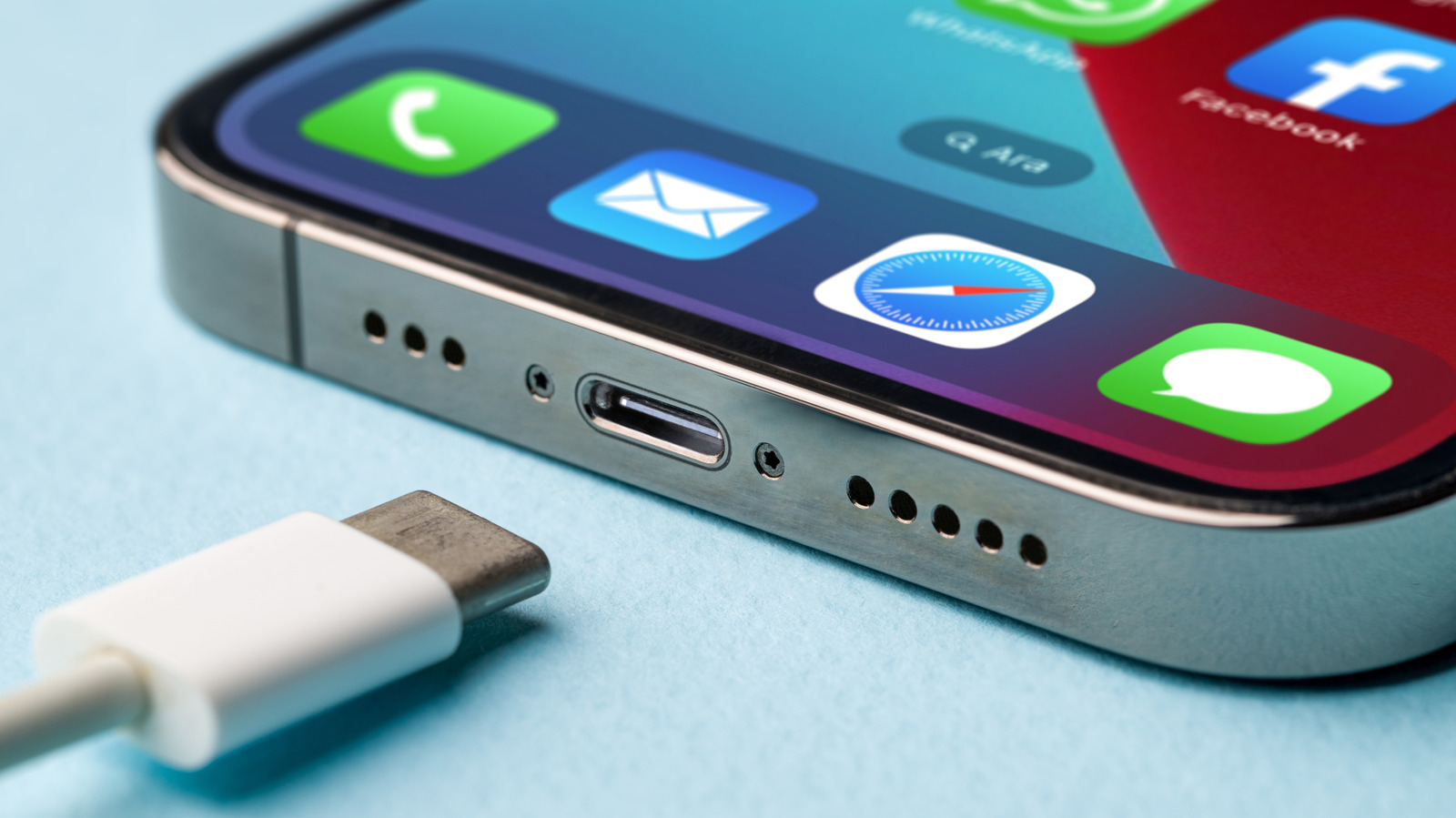
Modern iPhones are capable of interfacing with high-wattage power adapters, such as 140-watt units, but actual performance is constrained by the device's hardware limits. Even the latest iPhone 18 Pro series has a charging ceiling below 140W, maxing out at 52W. While USB Power Delivery previously topped out at 100W, the Extended Power Range (EPR) standard now supports higher voltages (28V, 36V, 48V) and wattages up to 240W. However, an iPhone will only draw the specific amount of power it requires; for instance, if a charger provides 140W, the phone absorbs only what its battery and management system can handle.
Charging speeds vary significantly between iPhone models and charger tiers. iPhones requiring a USB-C to Lightning cable, such as the 15, 16, or the iPhone Duo, need an adapter of at least 18W for fast charging. Models like the iPhone 17, 17 Pro, and 17 Pro Max reach 50 percent capacity in approximately 20 minutes with a 40W or higher adapter. The 18 Pro series benefits from a 60W adapter with Adjustable Voltage Supply (AVS) and USB PD 3.2. Conversely, the iPhone Air and 17e require only 20W to hit 50 percent in about 30 minutes.
High-wattage adapters are primarily beneficial for high-performance laptops or multi-device charging setups rather than iPhones. Users can identify an appropriate Apple adapter by the Dynamic Power Symbol, though wattage is also printed directly on the adapter. iOS platforms have evolved to aid users in finding compatible charging solutions. On iOS 18, a system indicator appears under Settings and on the Lock Screen to notify users of slow charging sources. iOS 26 further improves this by alerting users specifically when using an incompatible charger.
Device compatibility also depends heavily on the port type and cable specifications. USB-C, when utilizing Power Delivery, can deliver up to 100W in the Standard Power Range or 240W in EPR mode. Standard USB-C cables are capped at 60W (3A), whereas e-marked cables supporting 5A can reach 100W. USB-A and standard PC ports generally offer much lower output, ranging from 2.5W for USB 2.0 to 7.5W for Battery Charging 1.2 compliant ports. iPhone 15 and later models are capped at 7.5W when connected to USB-A ports. Users relying on PC power delivery should note that not all ports are created equal; specifications vary widely from 2.5W to 1.5A depending on the port color and manufacturer, such as Intel NUC computers.
Sources and further reading
See an error? Read our corrections policy or email [email protected].