Smartphone Cameras Detect Infrared to Diagnose Remote Controls
A quick visual test using a smartphone's camera can verify if a TV remote is transmitting signals to determine battery health and function type.

Smartphone cameras possess the ability to detect infrared light—a spectrum invisible to the human eye. While commonly utilized for imaging, this capability offers a practical method to diagnose the status of a television remote control without specialized equipment. In many instances, television power failures are attributed to dead batteries, though the root cause may vary.
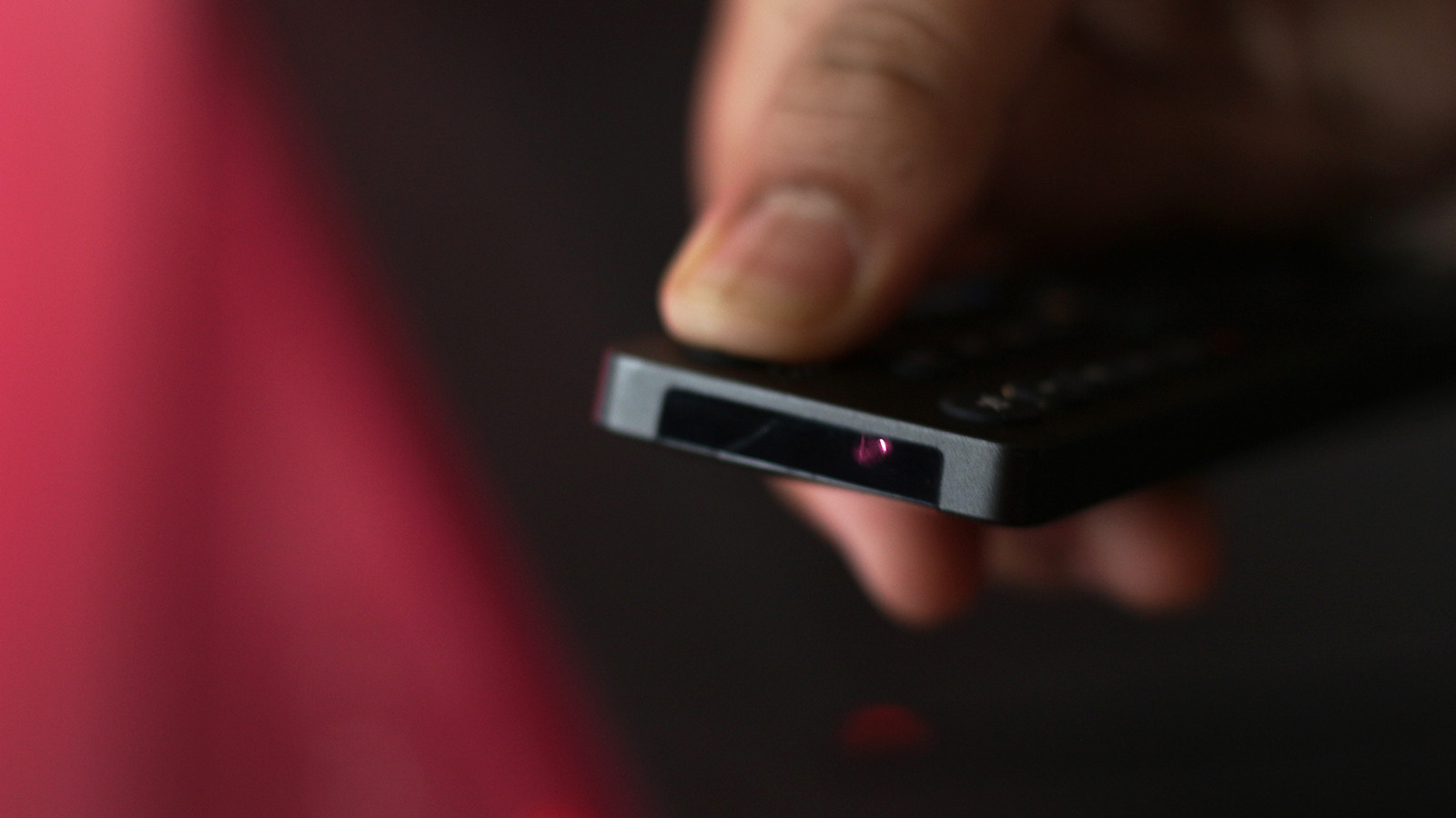
Remote controls interact with devices using infrared light. When a user activates a button, the device emits a burst of light corresponding to that command. A smartphone’s camera sensor can pick up this emission. To conduct the test, the user must open their phone's imaging application and position the device so the camera faces the transmitter LED located on the front of the remote housing. Modern remotes often hide this emitter behind a dark plastic window or bezel. Pressing a button, particularly the power button or channel up/down, will trigger the LED. Observers on the phone screen may see the LED emit a flash of light, frequently described as a subtle purple hue, indicating that the power source retains sufficient charge to transmit the signal.
Furthermore, this visual diagnostic tool serves to differentiate infrared technology from Bluetooth communication in modern devices. If a volume or channel button does not produce a visible flash on the camera, that specific function likely relies on Bluetooth rather than infrared. This distinction helps users identify whether a malfunction is related to the communication protocol or the remote’s infrared transmitter. It is prudent to note the limitations of this method; functional flaws such as a jammed button might prevent the LED from flashing even if the batteries are not depleted, meaning the visual test is indicative of transmitter operation rather than the absolute battery voltage.
To bypass this maintenance entirely, technology offers alternatives for control. Android smartphones that incorporate IR blasters can interface with specific applications to emulate universal remotes, effectively bypassing the hardware remote entirely. Modern televisions operating on systems like Android TV or Fire OS offer similar functionality through companion applications. By logging into the same account and connecting via Wi-Fi, a phone can control the user interface and media input. For complex wake-up issues, network standby settings, sometimes referred to as Wake-on-LAN, can be configured to allow connection and control from a paired mobile device.
Sources and further reading
See an error? Read our corrections policy or email [email protected].