Five Years On: Why Google's Tensor Bet Still Divides Pixel Buyers
Google traded Snapdragon's raw performance for AI silicon in the Pixel 6. Five years later, the trade-off is clearer than ever — and it depends entirely on what kind of power user you are.

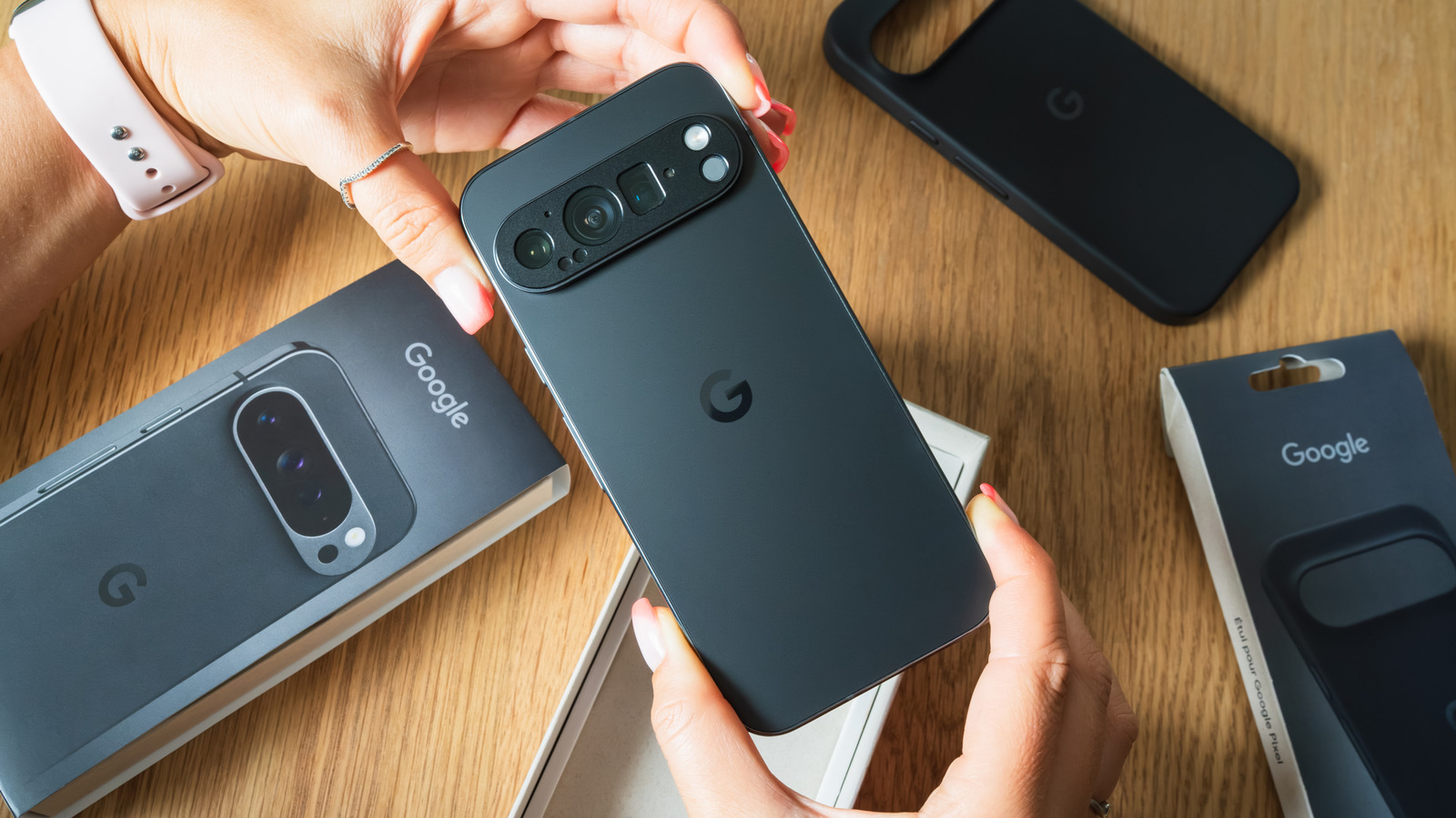
When Google replaced Qualcomm's Snapdragon with its own Tensor chip in the Pixel 6, it swapped one kind of performance for another. As Engadget notes, the change marked the passage of a five-year anniversary in October: the Pixel 5a's mobile gaming pedigree gave way to AI capabilities shaped around Google's machine learning models.
That decision was framed at the time as a necessity. In August 2021, Google's SVP of Devices and Services, Rick Osterloh, said in an announcement that the company had encountered computing limitations that blocked its AI ambitions, prompting the move to in-house silicon. The centerpiece was a tensor processing unit — a custom chip dedicated to running speech recognition, translation and computational photography on the device rather than in the cloud.
What the hardware actually is
The first four Tensor generations were heavily reworked designs based on Samsung's Exynos platform. Engadget reports that a 2021 analysis found the original chip shared clock management, power architecture and memory controllers with Exynos processors. Samsung manufactured every Tensor through the G4 and supplied its modems; its processes were blamed for thermal issues and its modems for connectivity problems. The Tensor G5 in last year's Pixel 10 was the first built without Samsung, and the G6 is understood — per leaked specifications that have been partly confirmed — to have replaced the Exynos modem with a MediaTek part.
Google says the Tensor G6 offers 50 percent more TPU compute than the G5, and claims up to 3.5 times faster on-device AI tasks using up to 3.5 times less energy when paired with the latest Gemini Nano model. Those are Google's own figures and should be read as such.
Where the trade-off bites
Independent benchmark testing tells a different story about general performance. Engadget cites Android Authority's measurements, which put Qualcomm's Snapdragon 8 Elite at more than twice the Tensor G5's multi-core CPU performance and around 2.5 times its graphics performance. The publication attributes the gap to Google's financial priorities rather than engineering failures. The broader point Engadget makes is that flagship Snapdragon or Apple A-series chips beat Tensor on raw power and sustained gaming loads, and likely on battery life under heavy use — a pattern that has held for every Tensor Pixel since 2021.
Cost helps explain the strategy. Qualcomm's flagship chips are said to run manufacturers $240 to $280 per unit in the current Snapdragon 8 Elite Gen 5 generation, up $40 to $80 from the 8 Gen 3. By designing Tensor, Google avoids that markup and can direct more budget toward the TPU its AI features depend on. Samsung, meanwhile, has moved the other way: its Galaxy S26 Ultra uses the Gen 5 chip across all regions, with all North American models on Snapdragon.
Google has not fully left Qualcomm behind. The Pixel Watch 5, announced alongside the Pixel 11 series and Pixel Tag, runs on Qualcomm's Snapdragon W5 Gen 2. Google has yet to produce a wearable Tensor chip.
Who should consider it
The practical question is less about benchmarks than about workload. For people who lean heavily on Gemini's on-device features — transcription, translation, computational photography — Tensor's design priorities line up with daily use. For gamers, heavy multitaskers, or anyone who wants sustained peak performance, a Snapdragon or Apple flagship remains the stronger choice. Notably, the switch did not make Pixels cheaper than their rivals; what it gave Google was its own chip roadmap. Buyers are effectively choosing which kind of power user they are.
Sources and further reading
See an error? Read our corrections policy or email [email protected].