PS5 rest mode vs. full shutdown: what each state actually gets you
Engadget weighs the practical trade-offs between leaving a PlayStation 5 in rest mode and powering it down completely — from suspended games and background downloads to outage risk and power draw.

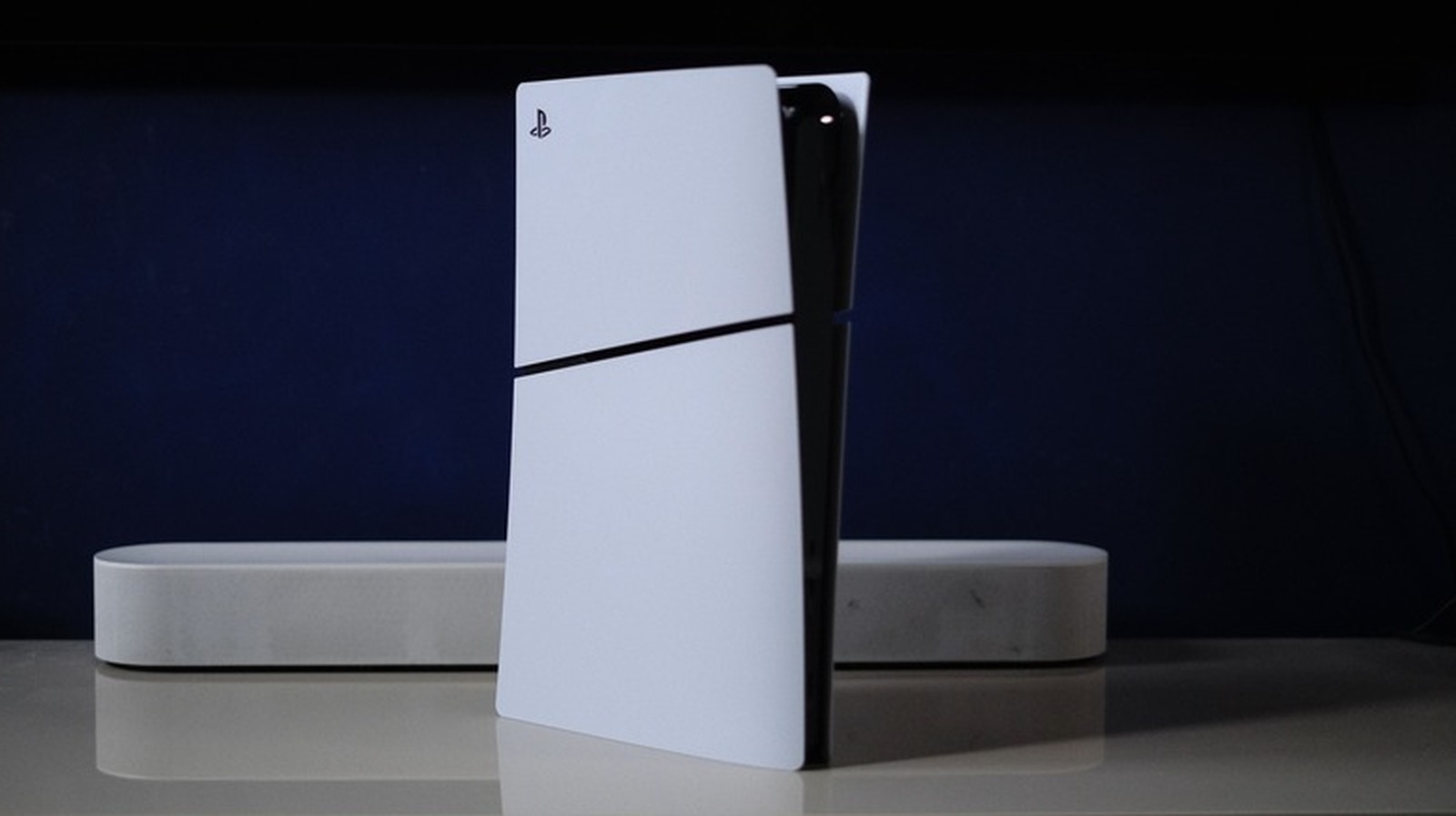
PlayStation 5 owners effectively pick between three states: powered on, fully off, and rest mode. In a service piece for Engadget, the outlet sets out the trade-offs, and its conclusion is less about which option is "correct" than about matching the choice to how often the console is used and how reliable the local electricity supply is.
What rest mode actually does
Rest mode keeps the console in a low-power state so it can keep working while nobody is playing. The most visible benefit is suspended play: a game paused mid-session can be resumed from the same point the following day rather than restarted.
The mode also handles housekeeping. A DualSense controller can charge from the console's USB ports while the system rests, and Engadget notes an option that cuts power to those ports after three hours — long enough, in its description, for a full charge. The relevant menu is Settings > System > Power Saving > Features Available in Rest Mode.
From the same settings area, owners can enable remote wake so the console can be switched on from elsewhere to install games, or to support remote play — a feature Engadget ties to Sony's PlayStation Portal handheld. Rest mode is also when the system pulls down game and system updates, and PlayStation Plus subscribers can push save data to cloud storage while it sits idle.
The power argument
Engadget reports that a PS5 draws roughly 217W during ultra-high-definition gameplay and around 43–47W while sitting on menu screens, against as little as 0.3W in rest mode — rising to about 4.65W when it is supplying power to USB peripherals. Those numbers are the article's own figures rather than the output of a controlled test, so they are best read as indicative. The pattern they describe, though, is the argument for rest mode over leaving the console fully on between sessions.
When switching it off wins
The case for a complete shutdown is mostly about protection. If a PS5 is resting when the power fails, Engadget warns there is a small chance of harm: an outage could corrupt data — particularly if the console happens to be installing updates or caching files at that moment — or damage the hardware. In areas where outages are common, the outlet suggests powering down between uses. Turning the console off while it stays plugged in still leaves a small draw, since the system must be able to detect the power button.
A full shutdown also clears the system cache, which Engadget says can resolve certain glitches — the familiar remedy of restarting a misbehaving device. And for owners who will be away from home for an extended period or are taking a break from gaming, the article suggests shutting down may help protect components over time and possibly extend the machine's useful life, a consideration it ties to the rising cost of consoles and other electronics.
The practical read
For someone who uses the PS5 most days, rest mode's suspended sessions, overnight downloads and controller charging are the features that change daily behaviour. For households with unreliable power, or owners who will not touch the console for weeks, a full shutdown is the more cautious default. Neither state is permanent, and switching between them costs nothing.
This summary is based on reporting by Engadget; the interpretation of which features matter most in practice is this desk's own.
Sources and further reading
See an error? Read our corrections policy or email [email protected].