Sony Still Sells Xperia Phones, But US Buyers Face Import Hurdles
Sony's Xperia line continues in Japan and Europe, but the company's US store no longer lists phones. Importing a flagship now comes with carrier-compatibility concerns.

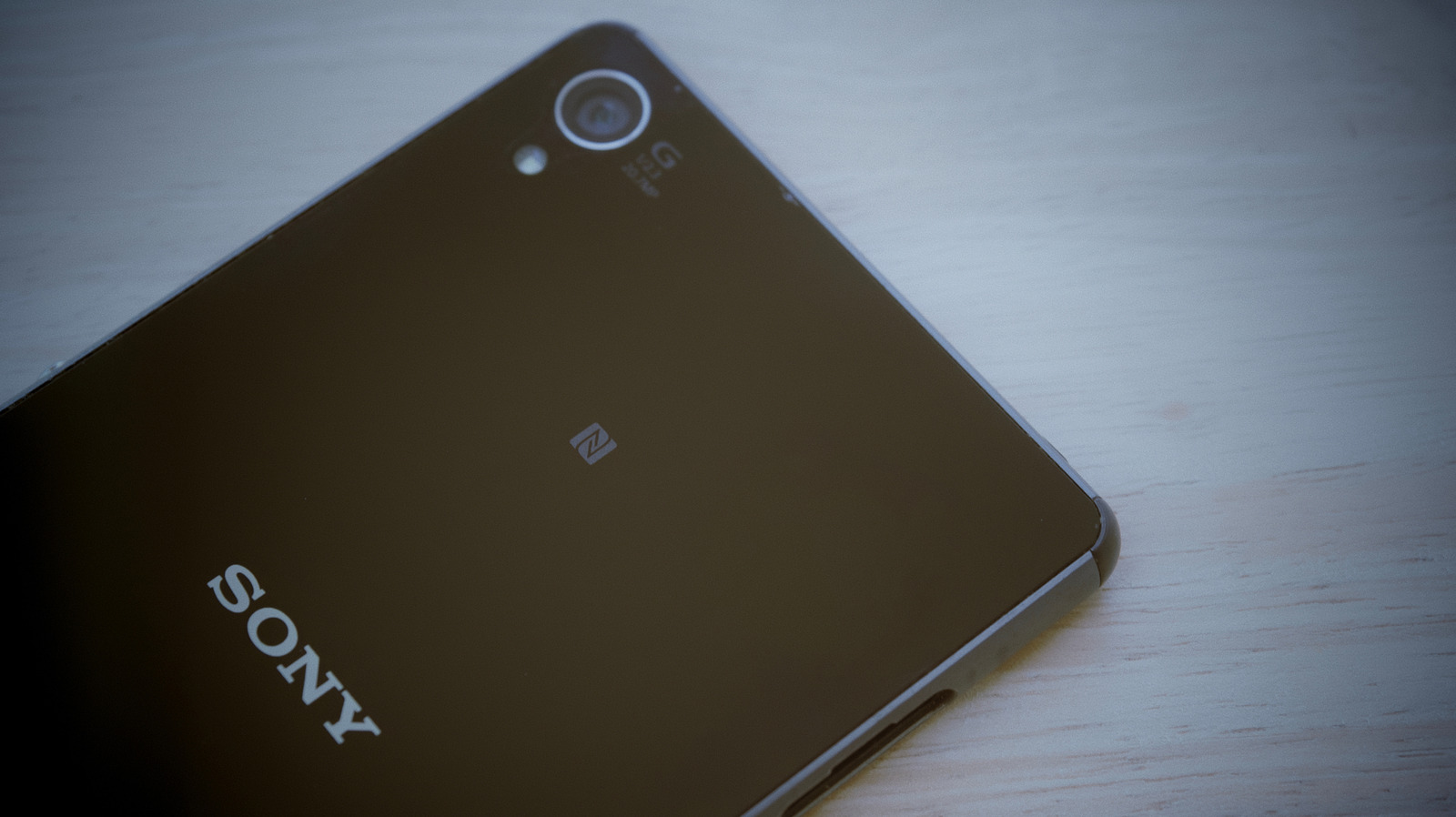
Sony still produces Xperia smartphones, but purchasing one in the United States is no longer straightforward. The company's US mobile store now lists only three products, none of which is a phone, according to Engadget. The last high-end Xperia officially sold in the US was the Xperia 1 V, released in 2023. Its successors have not been offered through US channels since 2024.
The Xperia 1 V was sold unlocked for around $1,400 through authorized retailers rather than the three major carriers. That strategy reflected Sony's broader positioning of the Xperia line around photography, with extensive manual camera controls, a physical shutter button, and the ability to serve as a display for compatible Alpha cameras. Those capabilities appeal to photographers, but they are harder to market to carrier-plan shoppers looking for a dependable everyday phone.
Sony's smartphone sales have fallen sharply over the past decade. The company sold 39.1 million smartphones in the fiscal year ending March 2015, but that figure dropped to 2.9 million by fiscal year 2020. In the second quarter of 2026, Apple and Samsung together accounted for 84 percent of US smartphone shipments, according to Counterpoint Research. Sony's share was low enough that it was not listed separately.
The competitive pressure is not unique to Sony. LG exited the smartphone market in 2021. After Microsoft acquired Nokia's phone business in 2014, the Nokia name later returned on HMD-made Android devices, though without its former market dominance. Sony kept the Xperia brand alive, but with far fewer buyers.
Sony announced the Xperia 1 VIII in May 2026 and the midrange Xperia 10 VIII in August. The flagship starts at £1,399 in the UK and includes a dedicated shutter button, a headphone jack, and microSD expandable storage. The Xperia 10 VIII is priced at £549. Sony has not indicated a US release for either model. The phones are sold in Japan and selected European countries, including the UK, Germany, and France, so US buyers would need to import them.
Importing carries practical risks. Several US-based owners of the Xperia 1 VIII reported on Reddit that they received LTE service but not 5G. Another user said 5G stopped working on T-Mobile after an update to an Xperia 1 VI, despite having worked before. These are isolated reports and do not establish that all imported Xperias have the same problem. Still, Sony's own carrier documentation shows that network compatibility was already complicated when the company officially sold phones in the US.
For everyday users, the most relevant question is whether the Xperia's distinctive features justify the cost and import friction. The dedicated shutter button and manual camera controls matter most to people who treat the phone as a camera accessory. The headphone jack and microSD slot remain useful for those who prefer wired audio and removable storage. But a flagship priced at £1,399 that may not offer full carrier support is a difficult purchase for most US buyers.
Sony has not abandoned the Xperia line. The company promises up to four Android OS upgrades and six years of security updates for its latest flagship. That support policy is competitive on paper. But without official US sales, Americans would be paying a premium for a device that may require workarounds to use on local networks. Engadget's reporting suggests the Xperia remains a niche product, sustained by loyalty and specialized features rather than broad market appeal.
Sources and further reading
See an error? Read our corrections policy or email [email protected].